
Invited Talks
Invited talks of SPIN 2025
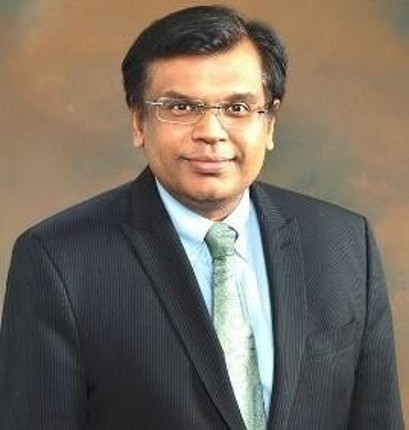
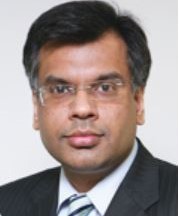
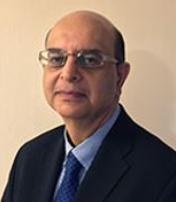
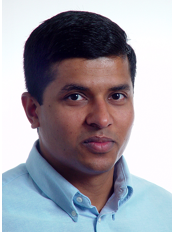
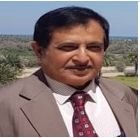
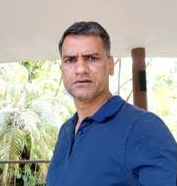
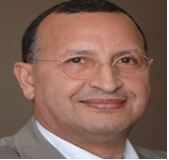
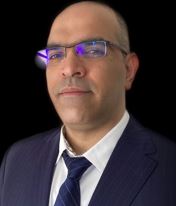
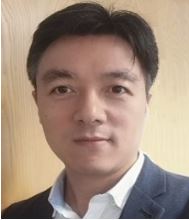
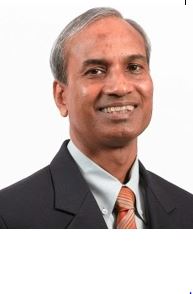
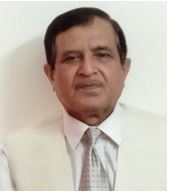
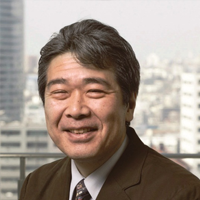
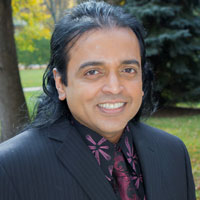
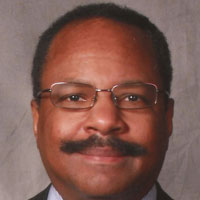
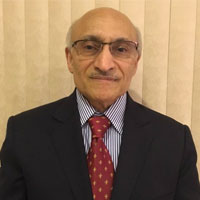
Speaker : Dr. Vivek Lall, Chief Executive, General Atomics Global Corporation, San Diego County,California, USA
Title : Dr Vivek Lall, an Indian-origin General Atomic Global Corporation Chief Executive is honored with the Lifetime Achievement Award by US Presi-dent Joe Biden with the citation of 'With Grateful Recognition'
Dr. Vivek Lall is Chief Executive of General Atomics Global Corporation based in San Diego, California. GA and affiliated companies operate on five continents. The company produces a series of unmanned aircraft (Predator/Reaper/Guardian) and provides electro-optical, radar, signals intelligence, and automated airborne surveillance systems. GA produces electro-magnetic aircraft launch and recovery systems, satellite surveillance, electro-magnetic rail gun, high power laser, hypervelocity projectile, and power conversion systems. GA is the principal private sector participant in thermonuclear fusion research through its internationally recognized DIII-D and inertial confinement programs. GA is a leader in development of next-generation nuclear fission and high-temperature materials technologies.
Dr Lall has been appointed to the Advisory Board of the Quad Investors Network announced by The White House in 2023. He has also been appointed through the Pentagon as a United States Technical Team member to the NATO STO (Science and Technology Organization). He is on the Industry Advisory Board of the American Society of Mechanical Engineers (ASME). Dr Lall serves on the International Advisory Group of the US Chamber of Commerce as well as Board of Directors of US Japan Business Council and the Global Board of Directors of the US India Business Council in Washington DC. He also serves as Senior Advisor to the Center for Commerce and Diplomacy at the University of California San Diego as well as on the Board of the Center for Advancing Global Business at San Diego State University. In 2018, he was appointed by the United States Government in a key advisory role to the US Cabinet Secretary heading Department of Transportation (encompassing entities like the Federal Aviation Administration) in Washington DC which affects US and global aviation policies and technologies.
Dr Lall served as Vice President of Aeronautics Strategy and Business Development at Lockheed Martin, the world’s largest defence company. Prior to that he has served as Chief Executive of U.S. and International Strategic Development at General Atomics Electromagnetic Systems. From 1996-2011, Dr Vivek held numerous marketing and engineering leadership roles with The Boeing Company, the world’s largest aerospace company, including the Airplane Performance and Propulsion Group in Seattle. He was appointed as Vice President and India Country Head, Boeing Defence Space & Security in May 2007. He also worked as an adjunct faculty member at Embry- Riddle, McConnell Air Force Base. He also served as the founding Co-Chair of the US – India Aviation Cooperation Program launched in 2005. Prior to Boeing he worked for Raytheon and conducted research with NASA Ames Research Center in various multidisciplinary engineering fields. Dr Lall was also a special advisor to the United Nations in New York, a role in which he steered the multi-nation body frame policy and its implementation in the area of broadband and associated cyber security issues. Dr Lall earned a Bachelor of Mechanical Engineering degree from Carleton University in Canada and a Masters of Aeronautical Engineering degree from Embry-Riddle Aeronautical University in Florida. He also has his Ph.D. in Aerospace Engineering from Wichita State University in Kansas and his MBA from City University in Seattle. He has also completed management and executive courses at the American Management Association in Washington DC.
Dr Lall was conferred the President’s Lifetime Achievement Award by the President of the United States of America in September 2022. He has been conferred the “World Leader Award” by the House of Lords in the United Kingdom in 2023. He is also an Ambassador of the State of Arkansas as well as a Kentucky Colonel which is the most well-known US colonelcies conferred to several past US Presidents. He was also granted the Grand Cross by His highness Mahmoud Salah Al Din Assaf. Cambridge (UK) has listed him as one of only 2000 Outstanding Scientists of the Twentieth Century. He was President of the Mathematical Association of America. He has authored over a hundred articles in various journals. He was also trained as a private pilot at the Phoenix International Flight Training Center in Florida.
Associations
Dr Lall was appointed as Chairman of the Indo-US Strategic Dialogue by the Indo-American Chamber of Commerce in August 2011.
Dr Lall was appointed as Distinguished Fellow at India's think tank Observer Research Foundation.
Dr Lall served as Chairman of the Defense Committee of The Association of Chambers of Commerce and Industry of India (ASSOCHAM).
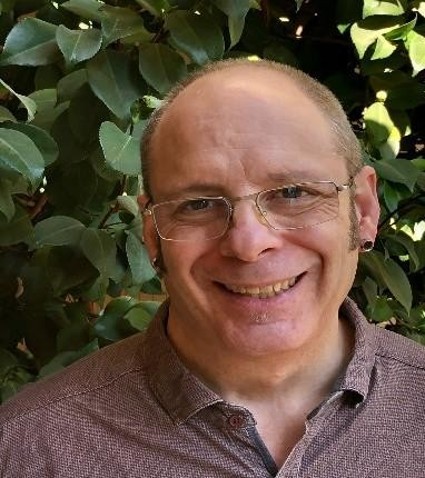
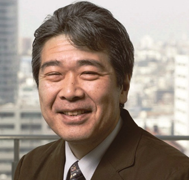
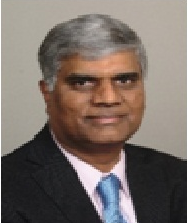
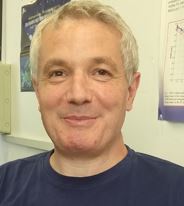
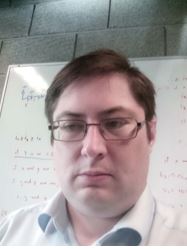
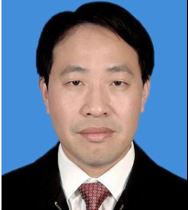
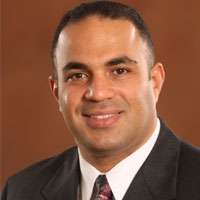
Speaker : Dr. Jon Jenkins
Designation : Computer Scientist, NASA Advanced Supercomputing Division TESS Science Processing Operations Center Manager NASA Ames Research Center, NASA, USA
Dr. Jon Jenkins is a research scientist and project manager at NASA Ames Research Center in the Advanced Supercomputing Division where he conducts research on data processing and detection algorithms for discovering transiting extrasolar planets. He is the co-investigator for data processing for both NASA’s first exoplanet mission, Kepler, and its follow-on mission, the Transiting Exoplanet Survey Satellite, which was launched in 2018 to identify Earth’s nearest neighbors for follow-up and characterization. Dr. Jenkins led the design, development, and operations of the science data pipelines for both Kepler and TESS. He also led a pathfinder pipeline study for the Surface Biology & Geology Mission, which will collect and process more hyperspectral image data than has been acquired from all airborne observations to date and is slated for launch in 2027. He received a bachelor’s degree in electrical engineering, a Bachelor of Science degree in Applied Mathematics, a Master of Science degree in Electrical Engineering and a Ph.D. in Electrical Engineering from the Georgia Institute of Technology in Atlanta, Georgia. Dr. Jenkins received NASA’s Outstanding Leadership Medal in 2019 for his work on TESS, and NASA’s Exceptional Technology Achievement Medal in 2010, and NASA’s Software of the Year Award in 2010, for his work on Kepler.
Contribution: Dr Jon Jenkins and the Better η⨁ Through Kepler Reprocessing Team
Title of talk: The Perils of Pre-Smoothing Light Curves Prior to Conducting Transit Searches
Abstract
The transit method is the most successful technique for identifying exoplanet, producing ~75% of the ~6000 known exoplanets to date. Detection theory provides tools for dealing with non-white (Gaussian) stochastic noise processes often encountered in astronomical contexts, including the detection of weak transiting planet signatures in time series photometric observations of star fields. In this talk I present an overview of the application of detection theory to the search for transiting planets and describe its implementation for the Kepler and TESS science pipelines developed at NASA Ames Research Center. I also discuss how common approaches to transit detection that include pre-smoothing the photometric time series prior to applying a simple matched filter, such as Box Least Squares and Transit Least Squares, are inherently suboptimal and can lead to invalid and/or misleading results.
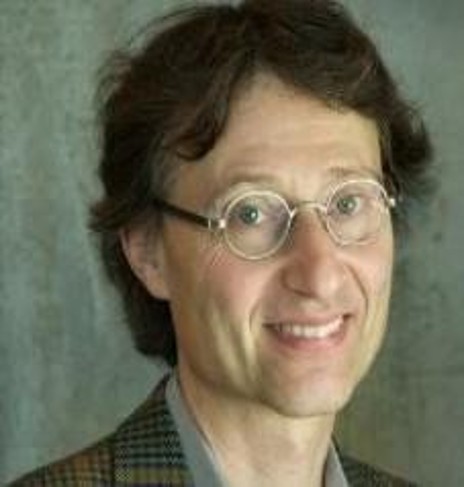
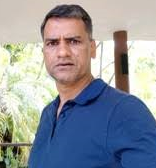
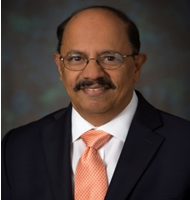
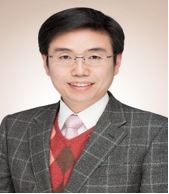
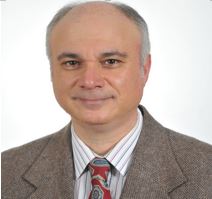
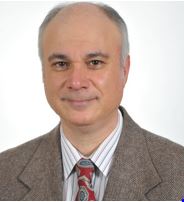
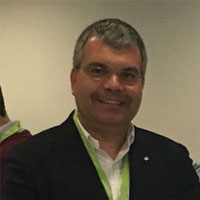
Speaker : Dr. Harry E. Ruda
Designation : FCAE Professor, Stanley Meek Chair in Advanced Nanotechnology Director, Centre for Advanced Nanotechnology, University of Toronto, Canada
Dr. Harry E. Ruda received the B.Sc. degree (with distinction) from Imperial College of Science and Technology, UK in 1983, and PhD degree from Massachusetts Institute of Technology, Cambridge, USA in 1982. He was awarded an IBM Postdoctoral Research Fellowship, during which he worked on one of the first theories of electron transport in quantum nanostructures. From 1984 to 1989 he was a Senior Research Scientist working at 3M Corporation where he was a key member of their II-VI semiconductor blue laser team. In 1989, he joined the MSE department at the University of Toronto, cross-appointed to ECE. In 1997 he was appointed as the Director of University of Toronto’s. Centre for Nanotechnology. He has published over 250 publications in internationally refereed journals (with >2,800 SCI citations), co- authored 4 books and has 14 patents. Professor Ruda’s research interests focus on fabrication, modeling understanding of behaviour of quantum functional nanostructures and their applications to nanoelectronics and nanophotonics.
Title of talk: New Opportunities for Optoelectronics in Nanostructures
Abstract
The talk is based on discussion on forming and controlling nanostructures including quantum dots and nanowires. The application of these engineered materials for enhanced optical properties including linear and nonlinear effects are discussed. The application of such systems for lasers, detectors and quantum information is also discussed.
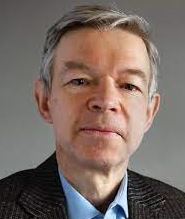
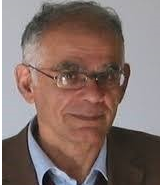
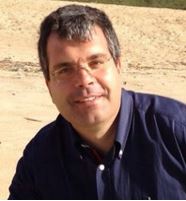
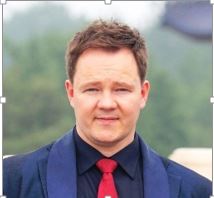
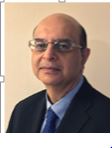
Speaker : Dr. Nicholas D. Lane
Designation : Professor of Machine Learning Systems Co-Founder and CSO Flower Labs Dept. of Computer Science & Technology,University of Cambridge, UK
Dr. Nic Lane is a full Professor in the department of Computer Science and Technology at the University of Cambridge and holds a Royal Academy of Engineering Chair in De-centralized AI. He is also a Fellow of St. John’s College. At Cambridge, Dr. Nic leads the Cambridge Machine Learning Systems lab. The mission of CaMLSys is to invent the next-generation of breakthrough ML-centric systems. Alongside his academic roles, Dr. Nic is the co-founder and Chief Scientific Officer of Flower Labs, a venture-backed AI company (YCW23) behind the Flower open-source federated learning framework. Flower Labs seeks to enable an AI future that is collaborative, open and decentralized. Dr. Nic has received multiple best paper awards, including ACM/IEEE IPSN 2017 and two from ACM UbiComp (2012 and 2015). In 2018 and 2019, he (and his co-authors) received the ACM SenSys Test-of-Time award and ACM SIGMOBILE Test- of-Time award for pioneering research, performed during his PhD thesis, that devised machine learning algorithms used today on devices like smartphones. Dr. Nic was the 2020 ACM SIGMOBILE Rockstar award winner for his contributions to “the understanding of how resource-constrained mobile devices can robustly understand, reason and react to complex user behaviours and environments through new paradigms in learning algorithms and system design.”
Titleof talk:ThefirstAGIwillbeFederated
Abstract
As established scaling laws indicate, the future performance improvements of AI depend on the amount of computing and data sources we can leverage. Where will we get the necessary compute and data to drive the continued advances in AI that the world now has grown to expect? I believe all roads lead to federated learning, and approaches of this kind. In the relatively near future, decentralized and federated techniques in machine learning will be how the strongest LLMs (and foundation models more generally) are trained; and in time, aspirational capabilities like AGI will finally be achieved, in part, due to the adoption of federated methodologies. In this talk, I will describe why the future of AI will be federated, and describe early solutions developed by Flower Labs and CaMLSys that address the underlying technical challenges that the world will face as we shift from a centralized data-center mindset to de-centralized alternatives.
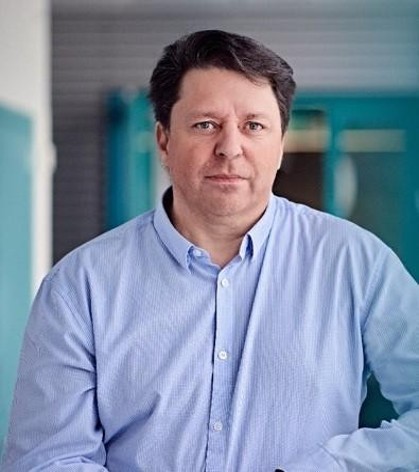
Speaker : Dr. Matti Latva-aho
Designation : Director for 6G Flagship, University of Oulu, Finland
Dr. Matti Latva-aho (IEEE Fellow) is a distinguished expert in wireless communications, holding M.Sc., Lic.Tech., and Dr.Tech. (Hons.) degrees in Electrical Engineering from the University of Oulu, Finland, awarded in 1992, 1996, and 1998, respectively. From 1992 to 1993, he worked as a Research Engineer at Nokia Mobile Phones in Oulu, before joining the Centre for Wireless Communications (CWC) at the University of Oulu. Prof. Latva-aho served as the Director of CWC from 1998 to 2006 and later as Head of the Department of Communication Engineering until August 2014. Currently, he is a Professor of Wireless Communications at the University of Oulu and serves as the Director of the National 6G Flagship Programme. He is also a Global Fellow at The University of Tokyo, reflecting his international recognition in the field. With an extensive portfolio of over 600 conference and journal publications, Prof. Latva-aho has significantly advanced the field of wireless communications. His contributions were recognized in 2015 when he received the prestigious Nokia Foundation Award for his groundbreaking research in mobile communications.
Title of talk: Future Societies Are Driven by Sustainability and Resilience Besides 6G Enabled Efficiency Improvements
Abstract
The usage scenarios of IMT-2030 will expand on those of IMT-2020. In addition, IMT-2030 will enable new use cases arising from 6G capabilities, such as AI and sensing, which previous generations of IMT were not designed to support. The grand targets for IMT-2030 include supporting sustainable development, enabling ubiquitous intelligence, connecting the unconnected, and maintaining security and resilience. 6G Metaverse-type applications are pushing researchers to explore the limits of realizable communication systems, while real-time automation with high reliability drives system optimization in another direction. The challenges are enormous, requiring the provision of sufficient and trustworthy coverage and services regardless of user location. What do these developments mean for technology enablers? How should spectrum regulation evolve to meet future needs? What changes are necessary in value chains and ecosystems? How should future networks be developed to enable truly ubiquitous digital services? How can we improve the resilience of mobile networks? These are some of the questions we must critically discuss before rushing into the tedious 3GPP standards process.
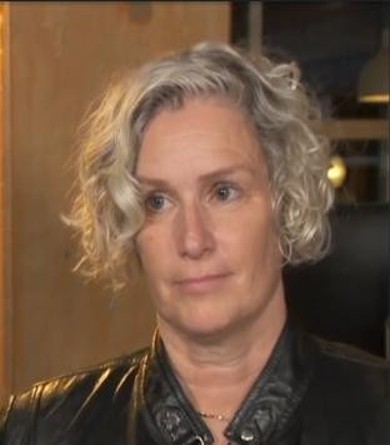
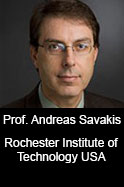
Speaker : Dr Andreas Savakis
Designation : Professor Director of the Center for Human-aware Artificial Intelligence (CHAI) Rochester Institute of Technology, USA
Dr Andreas Savakis is Professor of Computer Engineering and Director of the Center for Human-aware Artificial Intelligence (CHAI) at Rochester Institute of Technology (RIT). He received the B.S. and M.S. degrees in Electrical Engineering from Old Dominion University in Virginia, and the Ph.D. in Electrical and Computer Engineering with Mathematics Minor from North Carolina State University. Before joining RIT, he was Senior Research Scientist with the Kodak Research Labs. At RIT, he served as head of Computer Engineering for 10 years. His research interests include computer vision, deep learning, adaptive learning, human pose estimation, visual tracking, and scene analysis. Dr. Savakis has co- authored over 120 publications and holds 12 U.S. patents. He became Fellow of the American Council on Education (ACE) and received the NYSTAR Technology Transfer Award for Economic Impact, the IEEE Region 1 Award for Outstanding Teaching and the RIT Trustees Scholarship Award.
Title of talk: Vision Transformer Quantization for Efficient Deep Learning
Abstract
Vision transformers (ViTs) have demonstrated state-of-the-art performance across various computer vision tasks. However, the deployment of ViT models on edge platforms is limited by their high computational cost and large memory footprint. Quantization of vision transformers reduces memory usage and computational load by representing network parameters with lower precision. In this talk, we discuss vision transformer quantization strategies, including knowledge distillation, post training quantization and quantization aware training. We present a new explainability-based approach for mixed-precision quantization of vision transformers that is designed to provide efficiency and maintain performance. Our results demonstrate the effectiveness of mixed-precision models compared to fixed bit quantization.
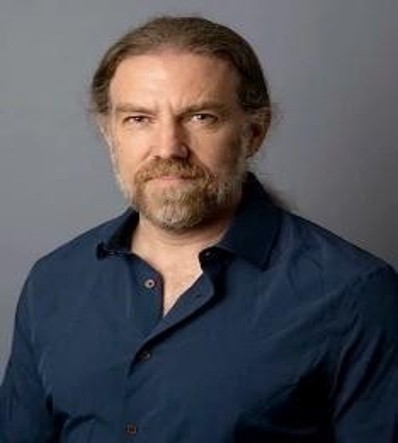
Speaker : Dr. Ken Duffy
Designation : Professor Department of Electrical and Computer Engineering Department of Mathematics Member, Institute for the Wireless Internet of Things Northeastern University Boston, USA
Dr Ken Duffy is a Professor at Northeastern University with a joint appointment in the Department of Electrical & Computer Engineering, where he currently serves as Interim Chair, and the Department of Mathematics. He was previously a Professor at Maynooth University in Ireland where he was the Director of the Hamilton Institute, an interdisciplinary applied mathematics research centre, from 2016 to 2022. He was one of three co-Directors of the Science Foundation Ireland Centre for Research Training in Foundations of Data Science, which funded more than 120 PhD students.
He obtained a Ph.D. in probability theory in 2000 from Trinity College Dublin, Ireland. He works in collaborative multi-disciplinary teams to design, analyse and realise algorithms using tools from probability, statistics, and machine learning. Algorithms he has developed have been implemented in digital circuits and in DNA. He is a co-founder of the Royal Statistical Society’s Applied Probability Section (2011), co-authored a cover article of Trends in Cell Biology (2012), is a winner of a best paper award at the IEEE International Conference on Communications (2015), the best paper award from IEEE Transactions on Network Science and Engineering (2019), the best research demo award from COMSNETS (2022), and the best demo award from COMSNETS (2023).
Title of talk: A framework for soft decision code construction
Abstract
In a hard detection setting, the minimum Hamming distance and, more generally, the Hamming weight spectrum of a binary linear error correction code form key indicators of its quality. In the presence of soft information, where each received bit has an associated likelihood of being correct, Hamming statistics are usually regarded as being appropriate proxies for code quality as it is not evident how to incorporate the impact of the continuous side information into considerations.
Inspired by the operation of Ordered Reliability Bits Guessing Random Additive Noise, which has recently been proven to be almost capacity achieving, we introduce a simple new model of the soft detection setting called the Linear Reliability Channel. Despite capturing all core facets of soft information decoding, it is a discrete model where soft detection channel reliabilities are described by the declaration of a random permutation of received bits. This channel model provides a discrete framework for assessing soft detection performance through combinatoric considerations, including the determination of appropriate statistical correlates to high quality soft detection codes.
Speaker : Dr. Álvaro Rocha
Designation : Chair of ITMA - Information and Technology Management Association Founder and Vice-Chair of IEEE SMC Portugal Chapter Chairman at AMARITS Consulting, ISEG, University of Lisbon, Portugal
Prof. Álvaro Rocha holds the title of Honorary Professor, and holds Habilitation in Information Science, Ph.D. in Information Systems and Technologies, M.Sc. in Information Management, and BCs in Computer Science. He is a Professor of Information Systems at the University of Lisbon - ISEG, Invited Professor at the University of Calabria, Honorary Professor at the Amity University, researcher at the ADVANCE (the ISEG Centre for Advanced Research in Management), and a collaborator researcher at the CINTESIS (Center for Research in Health Technologies and Information Systems). His main research interests are maturity models, cybersecurity, management information systems, intelligent systems, e-government, e- health, and information technology in education. He is also Vice-Chair of the IEEE Portugal Section Systems, Man, and Cybernetics Society Chapter, and Founder and Editor-in-Chief of two Scopus and SCIMago journals: JISEM - Journal of Information Systems Engineering & Management; and RISTI - Revista Ibérica de Sistemas e Tecnologias de Informação / Iberian Journal of Information Systems and Technologies. Additionally, he is the Scientific Manager of the Information Systems Engineering & Management book series at Springer-Nature, the world's leading publisher of publications in Science, Technology and Health. Moreover, he has served as Vice-Chair of Experts for the European Commission’s Horizon 2020 Program, and as an Expert at the COST - intergovernmental framework for European Cooperation in Science and Technology, at the European Commission’s Horizon Europe Program, at the Government of Italy’s Ministry of Universities and Research, at the Government of Latvia’s Ministry of Finance, at the Government of Mexico's National Council of Science and Technology, at the Government of Polish's National Science Centre, at the Government of Cyprus's Research and Innovation Foundation, and at the Government of Slovak's Research Agency . Prof. Álvaro Rocha is World’s 1% Top Scientists by Stanford University and Elsevier, World’s Top 0.05% Scientist by ScholarGPS, and World’s Top 1% Scientist by ResearchGate.
Title of Talk: Information and Cyber-Physical Systems
Abstract
The convergence of Cyber-Physical Systems (CPS) and Information Systems (IS) represents a transformative shift in modern technology, bridging the digital and physical worlds. This presentation explores the evolution, architecture, and key components of CPS, including sensors, embedded systems, network infrastructure, and control mechanisms. By integrating real-time data processing, artificial intelligence, and decision-support systems, CPS enhances automation, efficiency, and operational intelligence across industries such as smart cities, healthcare, industrial automation, and autonomous vehicles.
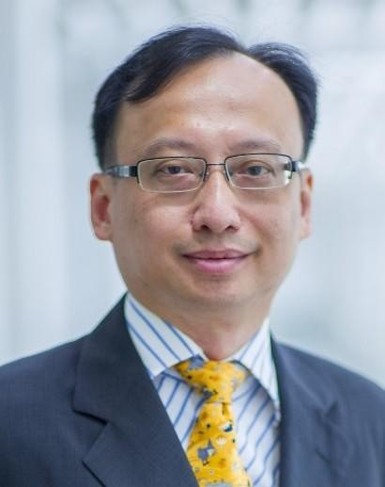
Speaker : Dr. Peter H. J. Chong
Designation : Professor Auckland University of Technology New Zealand
Professor Peter Han Joo Chong is the Associate Head of School (Research) at the School of Engineering, Computer and Mathematical Sciences, Auckland University of Technology, New Zealand. Between 2016 and 2021, he was the Head of Department of Electrical and Electronic Engineering at AUT. He received the Ph.D. degree from the University of British Columbia, Canada, 2000. He has visited Tohoku University, Japan, as a Visiting Scientist in 2010 and Chinese University of Hong Kong (CUHK), Hong Kong, between 2011 and 2012. He is currently an Adjunct Professor at the Department of Information Engineering, CUHK. He is an Honorary Professor at Amity University, India. He is a Fellow of the Institution of Engineering and Technology (FIET), UK. Prof. Chong is listed in the World's Top 2% Scientists published by Stanford University in 2022. Prof. Chong received the Research Excellence Award from the Faculty of Design and Creative Technologies in 2023.
His current research projects focus on machine learning techniques applied to software defined vehicular networks. He has been developing techniques of deep reinforcement learning (DRL)-based resource management for future 5G-V2X networks. His research interests are in the areas of wireless/mobile communications systems including MANETs/VANETs, green radio networks and 5G- V2X networks, smart mobility, and smart health. He has published over 300 journal and conference papers, 2 edited books, 13 book chapters, and 4 US patents in the relevant areas.
Title of talk: FAQ: A Fuzzy-Logic-Assisted Q Learning Model for Resource Allocation in 6G V2X
Abstract
Cellular V2X (CV2X) communications empower advanced applications but at the same time bring unprecedented challenges in how to fully utilize the limited physical-layer resources, given the fact that most of the applications require both ultra-low latency, high data rate and high reliability. Resource allocation plays a pivotal role to satisfy such requirements as well as guaranteed quality of service (QoS). In this Talk, we introduced our proposed novel fuzzy logic assisted Q learning model (FAQ) is proposed to intelligently and dynamically allocate resources by taking advantage of the centralized allocation mode. The proposed FAQ model reuses the resources to maximize the network throughput while minimizing the interference caused by concurrent transmissions. The fuzzy-logic module expedites the learning and improves the performance of the Q-learning.
Speaker : Dr Ahmed Abdelgawad
Designation : Professor College of Science and Engineering Central Michigan University USA
Dr. Ahmed Abdelgawad received his M.S. and a Ph.D. degree in Computer Engineering from the University of Louisiana at Lafayette in 2007 and 2011 and subsequently joined IBM as a Design Aids & Automation Engineering Professional at Semiconductor Research and Development Center. In Fall 2012 he joined Central Michigan University as a Computer Engineering Assistant Professor. In Fall 2017, Dr. Abdelgawad was early promoted as a Computer Engineering Associate Professor. He is a senior member of IEEE. His area of expertise is distributed computing for Wireless Sensor Network (WSN), Internet of Things (IoT), Structural Health Monitoring (SHM), data fusion techniques for WSN, low power embedded system, video processing, digital signal processing, Robotics, RFID, Localization, VLSI, and FPGA design. He has published two books and more than 80 articles in related journals and conferences. Dr. Abdelgawad served as a reviewer for several conferences and journals, including IEEE WF-IoT, IEEE ISCAS, IEEE SAS, IEEE IoT Journal, IEEE Communications Magazine, Springer, Elsevier, IEEE Transactions on VLSI, and IEEE Transactions on I&M. He served in the technical committees of IEEE ISCAS 2007/8 and IEEE ICIP 2009 conferences. He served in the administration committee of IEEE SiPS 2011. He also served in the organizing committee of ICECS2013 and 2015. Dr. Abdelgawad was the publicity chair in North America of the IEEE WF-IoT 2016/18/19 conferences. He was the finance chair of the IEEE ICASSP 2017. He is the TPC Co- Chair of I3C'17, the TPC Co-Chair of GIoTS 2017, and the technical program chair of IEEE MWSCAS 2018. He is the technical program chair of IEEE WF-IoT 2020. He delivered many tutorials in international conferences including IEEE SOCC, IEEE MWSCAS, IEEE SiPS, and APCCAS. In addition, he taught many short IoT courses in different countries. He was the keynote speaker for many international conferences and conducted many webinars. He is currently the IEEE Northeast Michigan section chair and IEEE SPS Internet of Things (IoT) SIG Member. In addition, Dr. Abdelgawad served as a PI and Co-PI for several funded grants from NSF.
Title of talk: Build Your-Own-IoT-Architecture
Abstract
Internet of Things (IoT) is the network of physical objects or “things” embedded with electronics, software, sensors, and network connectivity. It enables the objects to collect, share, and analyze data. The IoT has become an integral part of our daily lives through applications such as public safety, intelligent tracking in transportation, industrial wireless automation, personal health monitoring, and health care for the aged community. IoT is one of the latest technologies that will change our lifestyle in the coming years. Experts
estimate that as of now, there are 23 billion connected devices, and by 2025 it would reach 30 billion devices. This talk aims to introduce the design and implementation of IoT signal processing systems. The foundations of IoT will be discussed throughout real applications. Challenges and constraints for future research in IoT will be discussed. In addition, research opportunities and collaboration will be offered for the attendees.

Speaker : Dr. Justin Dauwels
Designation : Department of Microelectronics, Co-Director of the Safety and Security Institute, Technische Universiteit Delft, Netherlands
Dr. Justin Dauwels is an Associate Professor at the TU Delft (Signals and Systems, Department of Microelectronics), and serves as co-Director of the Safety and Security Institute at the TU Delft. He was an Associate Professor of the School of Electrical and Electronic Engineering at the Nanyang Technological University (NTU) in Singapore till the end of 2020. At the TU Delft, he serves as scientific lead of the Model-Driven Decisions Lab (MoDDL), a first lab for the Knowledge Building program between the police and the TU Delft. He also serves as Chairperson of the EE Board of Studies at the TU Delft, and is a board member of the Co van Ledden Hulsebosch Center (Netherlands Center for Forensic Science and Medicine). His research interests are in data analytics with applications to predictions problems (e.g., nowcasting of precipitation, remaining-useful-lifetime (RUL) prediction of electronic components), intelligent transportation systems, autonomous systems, and analysis of human behavior and physiology. He obtained his PhD degree in electrical engineering at the Swiss Polytechnical Institute of Technology (ETH) in Zurich in December 2005. Moreover, he was a postdoctoral fellow at the RIKEN Brain Science Institute (2006- 2007) and a research scientist at the Massachusetts Institute of Technology (2008-2010). He has been elected as IEEE SPS 2024 - 2025 Distinguished Lecturer. He served as Chairman of the IEEE CIS Chapter in Singapore from 2018 to 2020, and served as Associate Editor of the IEEE Transactions on Signal Processing (2018 - 2023), and serves currently as Associate Editor (2021- 2023) and Subject Editor (since 2023) of the Elsevier journal Signal Processing, Area Editor C&F for the IEEE Signal Processing Magazine (since 2023), member of the Editorial Advisory Board of the International Journal of Neural Systems (since 2021), and organizer of IEEE conferences and special sessions. He was also Elected Member of the IEEE Signal Processing Theory and Methods Technical Committee and IEEE Biomedical Signal Processing Technical Committee (both in 2018-2023), and is currently Elected Member of the IEEE Machine Learning for Signal Processing Technical Committee and the IEEE Emerging Transportation Technology Testing (ET3) Technical Committee. He has been a JSPS postdoctoral fellow (2007), a BAEF fellow (2008), a Henri-Benedictus Fellow of the King Baudouin Foundation (2008), and a JSPS invited fellow (2010, 2011). His research team won several best paper awards at international conferences and journals. His research on intelligent transportation systems has been featured by the BBC, Channel 5, Straits Times, Lianhe Zaobao, and other national newspapers worldwide, and numerous technology websites. Besides his academic efforts, the team of Dr. Justin Dauwels also collaborates intensely with local start- ups, SMEs, and agencies, in addition to MNCs, in the field of data-driven transportation, logistics, and medical data analytics. His academic lab has spawned four startups across a range of industries, ranging from AI for healthcare to autonomous vehicles.
Title of talk: Extreme precipitation nowcasting using deep generative models
Abstract
Extreme weather events, such as the floods recently in Valencia, Spain, have led to substantial impacts, including loss of life and major economic losses. Therefore, weather forecasts need to become more reliable, especially for extreme weather events. There has been a recent breakthrough in precipitation nowcasting, which is precipitation forecasting for the next few hours: Machine learning models, particularly deep generative models, can provide improved forecast quality compared to the state-of-the-art nowcasting and physics-based models. However, these new models are not adequate for extreme weather events. In our team, we are developing new deep generative models specifically for nowcasting extreme precipitation. Concretely, we are designing transformer-based generative models, in particular, VideoGPT with Extreme Value Loss (EVL) regularization. Leveraging a comprehensive dataset from the Royal Netherlands Meteorological Institute (KNMI), we aim to predict short-term extreme precipitation with high accuracy. We introduce a novel method for computing EVL without assuming fixed extreme representations, addressing the limitations of current models in capturing extreme weather events. Currently, we are also validating our deep generative nowcasting models on datasets from the US, Singapore, and India. We will present both qualitative and quantitative analyses, demonstrating the superior performance of the proposed VideoGPT-EVL in generating accurate precipitation forecasts, especially when dealing with extreme precipitation events.

Speaker : Dr. Angela Amphawan
Designation : Professor Head of Smart Photonics Research Laboratory School of Engineering and Technology, Sunway University, Malaysia
Professor Angela Amphawan received her PhD in optical communications from the University of Oxford, UK. She then won the prestigious Fulbright Award to work on optical devices and networks at the Research Laboratory of Electronics and MIT Media Lab, Massachusetts Institute of Technology, USA. She currently leads the Photonics Laboratory at Sunway University. Before joining Sunway University, she was Deputy Vice Chancellor of University Malaysia and Dean of Academic Affairs of University of Computer Science & Engineering. Prior to that, she was Director of the Optical Technology Research Laboratory at Universiti Utara Malaysia. She has also lectured at Multimedia University and served as Computing Officer at the University of Oxford, UK. She is currently on the National 5G Task Force for development of 5G infrastructure. She also serves on the IEEE Joint Sensor and Nanotechnology Councils. In addition, she is on the Editorial Board of the APL Photonics Journal under the American Institute of Physics and several other international journals. In addition, she has served as Co-Chair, Technical Program Committee and International Scientific Committee for numerous international conferences. She has given keynote addresses at several Fulbright and IEEE events. She has won the International Academic Award by the Prime Minister of Malaysia, several Excellent Service Awards, Teaching Awards, Best Paper Awards and exhibition medals. She is also a recipient of the distinguished Telekom Malaysia scholarship. Her research has been funded by the Fulbright Foundation, Telekom Malaysia and Ministry of Higher Education.
Title of talk: Space Division Multiplexing for Massive Internet-of-Things Connectivity in 6G Optical Communications
Abstract
The advent of new Internet-of-Things applications have fueled innovative approaches to increase the data capacity of optical networks. Space division multiplexing is an emerging technology which leverages on spatial modes for enhanced data capacity. The keynote will highlight current challenges and new opportunities for generating spatial modes for IoT multiplexing hardware and artificial intelligence- mediated mechanisms for detection of spatial modes and emerging space division multiplexing network architectures for massive IoT connectivity.
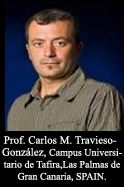
Speaker : Dr. Carlos M. Travieso-González
Designation : Head of Signals and Communications Department University of Las Palmas de Gran Canaria (ULPGC), Campus Universitario de Tafira, sn. Telecomunicación Spain
Dr Carlos M. Travieso-González received the M.Sc. degree in 1997 in Telecommunication Engineering at Polytechnic University of Catalonia (UPC), Spain; and Ph.D. degree in 2002 at University of Las Palmas de Gran Canaria (ULPGC-Spain). He is Full Professor and Head of Signals and Communications Department at ULPGC. He belongs to ULPGC from 2001, teaching subjects on signal processing, pattern recognition and learning theory. His research lines are biometrics, biomedical signals and images, data mining, classification system, signal and image processing, machine learning, and environmental intelligence. He has researched in more than 50 International and Spanish Research Projects, some of them as head researcher. He is co-author of 4 books, co-editor of 25 Proceedings Book, Guest Editor for eight JCR-ISI international journals and up to 24 book chapters. He has over 480 papers published in international journals and conferences (92 of them indexed on JCR – ISI - Web of Science). He has published 7 patents in Spanish Patent and Trademark Office. He has been supervisor on 12 PhD Thesis (7 more are under supervision), and 150 Master Thesis. He is founder of The IEEE IWOBI conference series and President of its Steering Committee, of The InnoEducaTIC conference series; and of The APPIS conference series. He is evaluator of project proposals for European Union (H2020 and Horizon Europe), Medical Research Council (MRC – UK), Spanish Government (ANECA and AEI), Research National Agency (ANR – France), DAAD (Germany), Argentinian Government and Colombian Institutions. He has been reviewer in different indexed international journals (<70) and conferences (<260) since 2001. He is member of IASTED Technical Committee on Image Processing from 2007 and member of IASTED Technical Committee on Artificial Intelligence and Expert Systems from 2011. He will be APPIS 2025 General Chair, and was General Chair in APPIS 2024, APPIS 2023, APPIS 2022, APPIS 2020, IEEE-IWOBI 2020, APPIS 2019, IEEE-IWOBI 2019, IEEE-IWOBI 2018, APPIS 2018, InnoEducaTIC 2017, IEEE-IWOBI 2017, IEEE- IWOBI 2015, InnoEducaTIC 2014, IEEE-IWOBI 2014, IEEE-INES 2013, NoLISP 2011, JRBP 2012 and IEEE-ICCST 2005.
Title of talk: Affective Computing for Alzheimer's: Unlocking the Power of Visual Data
Abstract
Alzheimer's Disease (AD) presents a significant global health challenge, characterized by progressive cognitive decline and emotional disturbances. Traditional diagnostic methods often rely on subjective assessments and can be time-consuming. In recent years, advancements in artificial intelligence and computer vision have opened new avenues for early detection and improved management of AD.
A key area of exploration lies in leveraging image analysis for affective computing. By analyzing visual data such as facial expressions, body language, and gait patterns, intelligent systems can objectively assess emotional states, cognitive function, and behavioral changes in individuals with AD. This approach offers the potential to identify subtle signs of cognitive decline, such as apathy, anxiety, and depression, which may precede overt symptoms and provide valuable insights into disease progression.
An exploration of image analysis applications in affective computing forms the foundation of this talk. The review begins by examining how affective computing intersects with image analysis techniques. Building upon these fundamentals, we delve into various methods of emotion recognition through visual data, encompassing facial information. The discussion concludes by investigating the potential impact and current limitations of these technologies in studying neurodegenerative conditions.
Keywords:Affectivecomputing,Imageanalysis,Earlydetection,Alzheimer's disease, Artificial Intelligence
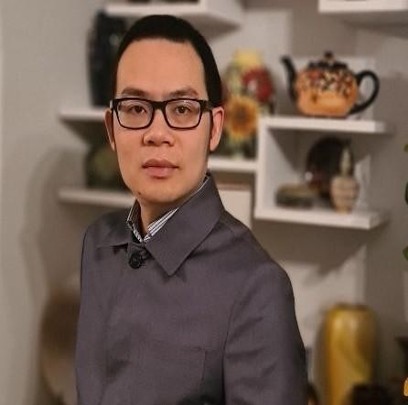
Speaker : Dr. Hien Quoc Ngo
Designation : Reader (Associate Professor), Queen's University Belfast, UK
Dr. Hien Quoc Ngo is currently a Reader (Associate Professor) at Queen's University Belfast, and a UKRI Future Leaders Fellow. His main research interests include massive (large-scale) MIMO systems, cell-free massive MIMO, physical layer security, and cooperative communications. He has co-authored many research papers in wireless communications and co-authored the Cambridge University Press Textbook Fundamentals of Massive MIMO (2016). He has received three prestigious prizes: the IEEE ComSoc Stephen O. Rice Prize in 2015, the IEEE ComSoc Leonard G. Abraham Prize in 2017, and the Best PhD award 2018 by the European Association for Signal Processing (EURASIP). Editor of IEEE Transactions on Communications.
Dr Hien Quoc Ngo received the B.S. degree in electrical engineering from the Ho Chi Minh City University of Technology, Vietnam, in 2007, the M.S. degree in electronics and radio engineering from Kyung Hee University, South Korea, in 2010, and the Ph.D. degree in communication systems from Linkoping University (LiU), Sweden, in 2015. In 2014, he visited the Nokia Bell Labs, Murray Hill, New Jersey, USA. From January 2016 to April 2017, Hien Quoc Ngo was a VR researcher at the Department of Electrical Engineering (ISY), LiU. He was also a Visiting Research Fellow at the School of Electronics, Electrical Engineering and Computer Science, Queen's University Belfast, UK, funded by the Swedish Research Council.
He has been Editor of IEEE Transactions on Wireless Communications, Editor of IEEE Wireless Communications Letters, Editor of Elsevier Physical Communication (PHYCOM), Executive Editor of Transactions on Emerging Telecom. Technologies (Wiley), Editor of Digital Signal Processing, Editor of IEICE Transactions on Fundamentals of Electronics, Communications and Computer Sciences, Editor of REV Journal on Electronics and Communications, Guest Editor of IET Communications, special issue on "Recent Advances on 5G Communications", 2017, Guest Editor of IEEE Access, special issue on "Modelling, Analysis, and Design of 5G Ultra-Dense Networks", 2017.
Title of talk: Physical Layer Security in Cell-Free Massive MIMO
Abstract
Cell-free massive multiple-input multiple-output (MIMO) is a system where many (hundreds or thousands) access points or base stations coherently serve many (tens or hundreds) users. Unlike current cellular (mobile) networks where the coverage area is divided into cells, in cell-free massive MIMO, there are no fixed cells or cell boundaries. Cell-free massive MIMO is expected to overcome the boundary effect—the inherent limitation of current cellular networks which has persisted for the last 50 years. It is expected to ensure connectivity everywhere, fulfilling the key requirements of next-generation wireless communication systems (beyond 5G and towards 6G). In this talk, we will first focus on the fundamentals of cell-free massive MIMO. We will then discuss the PHY security aspects of cell-free massive MIMO, along with a range of important topics and future directions.
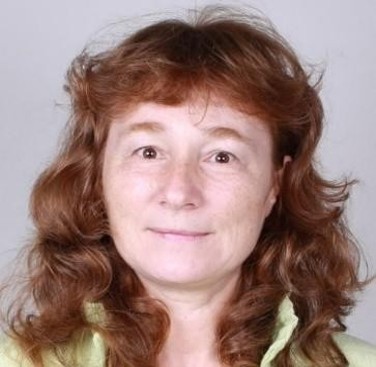
Speaker : Dr. Lyudmila Mihaylova
Designation : Professor, Automatic Control and Systems Engineering The University of Sheffield, UK
Dr. Lyudmila Mihaylova is Professor of Signal Processing and Control in the School of Electrical and Electronic Engineering at the University of Sheffield, Sheffield, United Kingdom. Her research interests are in the areas of trustworthy autonomous systems with applications to smart cities, sensor networks, digital health and others. She has expertise in the areas of machine learning, intelligent sensing and sensor data fusion. Prof. Mihaylova has published more than 200 scientific papers in peer reviewed international journals such as IEEE Transactions on Aerospace and Electronic Systems, IEEE Transactions on Signal Processing, Automatica, IEEE Transactions on Industrial Informatics and in a number of conferences. She has more than 8150 citations on google scholar. She is Associate Editor-in-Chief for the IEEE Transactions on Aerospace and Electronic Systems, Senior Editor for the Target Tracking and Multi-sensor data Fusion area since 2021, and a Subject Area Editor for the Elsevier Signal Processing Journal since 2022. She is a guest Editor for a special issue for Frontiers of Robotics and AI (2022-2023). Prof. Mihaylova is on the Board of Directors of the International Society of Information Fusion (ISIF) and was the ISIF President in the period 2016–2018. She has given a number of talks and tutorials, including NATO SET- 262 AI 2018 (Hungary), Fusion 2017 (Xi’an, China), plenary talks for the IEEE Sensor Data Fusion 2015 (Germany), invited talks at IPAMI Traffic Workshop 2016 (USA) and others. She is a member of the organizing committee of the International Conference of Information Fusion 2025, 2022, 2021, IEEE MFI’ 2021, UKCI’ 2021 and vice-chair of the UKCI 2022. She was the general vice-chair for the International Conference on Information Fusion 2018 (Cambridge, UK), of the IET Data Fusion & Target Tracking 2014 and 2012 Conferences, publications chair for ICASSP 2019 (Brighton, UK) and others.
Title of talk: Enhancing Autonomy with Gaussian Process Methods and Computer Vision
Abstract
Recent advance of data-driven and model-based approached have led to increasing the level of autonomy in a number of areas. Gaussian Process methods are one type of Machine Learning methods that have proven their power to solve for such tasks for autonomous systems. This talk will discuss recent advances, especially with respect to learning of the hyperparameters of Gaussian process methods and of the design of different kernels, based on physical considerations. Gaussian process methods have been successfully used for tracking, sensor scheduling, but also for classification tasks and are useful in tasks such as fire detection. This talk will present recent results on autonomous fire detection and localisation for uncrewed aerial vehicles (UAVs). Their advantages and disadvantages will be discussed, with an emphasis of the solution of this task with a swarm of UAVs.
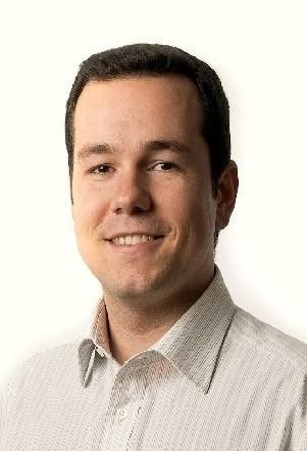
Speaker : Dr. Miguel López-Benítez
Designation : Department of Electrical Engineering and Electronics, University of Liverpool, United Kingdom
Dr. Miguel López-Benítez received his PhD degree in Telecommunication Engineering (highest distinction, summa cum laude) from the Department of Signal Theory and Communications of the Technical University of Catalonia, Barcelona, Spain in 2011. From 2011 to 2013, he was a Research Fellow in the Centre for Communication Systems Research (currently Institute for Communication Systems) of the University of Surrey, Guildford, UK. In 2013, he joined the Department of Electrical Engineering and Electronics of the University of Liverpool, UK, as a Lecturer (Assistant Professor), where he has been a Senior Lecturer (Associate Professor) since 2018. Since 2018, he has also been an Affiliate Senior Research Associate with the ARIES Research Centre, Antonio de Nebrija University, Madrid, Spain. His research interests are in wireless communication systems, with special emphasis on several theoretical and experimental aspects of cellular mobile communication technologies, dynamic/shared spectrum access, and wireless Internet of Things (among others). He is/has been the principal investigator of research projects competitively funded in the UK by the Engineering and Physical Sciences Research Council (EPSRC), the Department for Business, Energy and Industrial Strategy (BEIS), the Royal Society, and the UK-India Education and Research Initiative (UKIERI). He has also been involved in European-funded projects (AROMA, NEWCOM++, FARAMIR, QoSMOS, and CoRaSat). He has co-authored four book chapters and over 150 papers in refereed journals and recognized conferences. He is an Associate Editor of IEEE Access, IET Communications, and Wireless Communications and Mobile Computing and has served as a guest editor for other journals. He has been a member of the Organizing Committee for the IEEE International Workshop on Smart Spectrum (IWSS 2015-21). He has also been a TPC for several IEEE conferences (GLOBECOM, ICC, WCNC, PIMRC, VTC). He is a Senior Member of the Institute of Electrical and Electronics Engineers (IEEE) and a Fellow of the Higher Education Academy (HEA).
Title of talk: Autonomous Spectrum Awareness for Spectrum Innovation in Future Networks
Abstract
While mmWave and THz spectrum bands have been proposed to provide the high data rates required by several key 6G applications, lower (sub-6 GHz) spectrum bands remain critically important to the success of 6G. In this context, spectrum sharing is seen as the way forward to fully exploit the potentials of all available spectrum bands. However, harmonious spectrum sharing requires accurate spectrum awareness information for the interference-free coexistence of various networks in the same spectrum. Databases have been the preferred choice (e.g., WRAN, LSA, CBRS), with direct spectrum monitoring (sensing) seen as a secondary or complementary requirement. This talk explores the possibility of a fully autonomous spectrum awareness system entirely based on independent spectrum monitoring, which removes the need of external network infrastructure and external database providers and enables fully autonomous operation of dynamic spectrum sharing systems. The talk presents the underlying idea of such system concept as well as different approaches to overcome practical limitations (including heuristic algorithms, analytical-based solutions and deep-learning techniques). The performance of these approaches is compared and a proof-of-concept validation based on software defined radios is presented as well. A practical application example in the coexistence between cellular and wireless LANs is described as well.
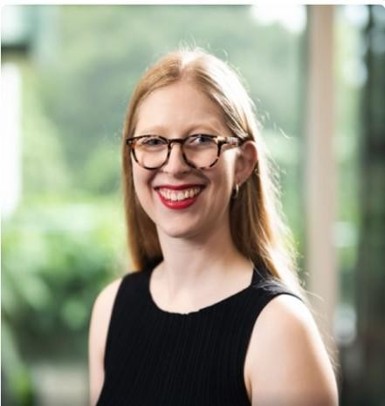
Speaker : Dr. Scarlett Raine
Designation : Technology’s Centre for Robotics Queensland University, Australia
Dr Scarlett Raine is an Assistant Professor in the Queensland University of Technology’s Centre for Robotics. She brings her expertise in Artificial Intelligence and Computer Vision to the Reef Restoration and Adaptation Program, where she is working on robotic solutions for deployment of coral re-seeding devices. Her doctoral thesis, on the topic of Weakly Supervised Segmentation of Underwater Imagery, was nominated for the outstanding doctoral thesis award by both examiners. Dr Raine is a published researcher in challenging applied robotics and environmental monitoring problems, with papers published in the Robotics and Automation Letters, WACV, CVPR-W, IROS and DICTA. Dr Raine is motivated by data- constrained problems and automated analysis of real-world field data, with a particular focus on conservation of coral reefs, seagrass meadows and coastal ecosystems.
Title of talk: Reducing Label Dependency for Automated Analysis of Underwater Imagery
Abstract
With the increasing use of robotics to study coral reefs and seagrass meadows, vast amounts of imagery are generated. Traditionally, analyzing this data has been challenging, time-consuming, and expensive, as it heavily relied on marine experts. This talk describes innovative artificial intelligence methods which automatically identify marine species and reduce the annotation effort for domain experts. These contributions span design of data collection and annotation methodology; segmentation from image-level labels only; and use of large language models as a supervisory signal in domain-specific applications. The talk will also describe a human-in-the- loop labelling regime where a model and marine scientist work together to improve annotation efficiency for coral images. Finally, I will describe our work with the Reef Restoration and Adaptation Program and the Australian Institute of Marine Science on the Deployment Guidance System, which performs broad-scale automated distribution of coral re-seeding devices.
Speaker : Dr. Lotte N. S. Andreasen Struijk
Designation : Director, Professor, and Head of Research Group, Department of Health Science and Technology Faculty of Medicine Aalborg University, Denmark
Dr Lotte N.S. Andreasen is a prominent researcher in rehabilitation robotics and engineering, currently serving as Director of the Center for Rehabilitation Robotics at Aalborg University (AAU). Her research focuses on enhancing the quality of life for individuals with severe disabilities through innovative rehabilitation technologies. She leads the Rehabilitation Engineering and Robotics Laboratory and the Biorobotics Laboratory, spearheading advancements in assistive technology.
Dr Lotte N. S. Andreasen Struijk has a MSc in Electrical Engineering and a Ph.D degree within Biomedical Engineering and Science. She is a Professor at the Department of Health Science and Technology, at Aalborg University where she is leading the Center for Rehabilitation Robotics and the Research Group: Neurorehabilitation Robotics and Engineering.for Diversity and Equality, and the AAU Parallel Lang A key innovation in her career is iTongue, a device that enables paralyzed users to control assistive devices using tongue movements, leading to the founding of TKS A/S. She has supervised nine PhD students as the main supervisor and five as a co-supervisor, chaired five PhD defenses, and has been an opponent at two external PhD defenses. Actively engaged in academia, she is a Member of the Academic Council at AAU, the HST Board UAGE Advisory Group. She also serves as Program Co-Chair for IEEE EMBC 2025. Her work aligns with UN SDGs 3, 4, 5, 9, and 10. Additionally, she holds an Honorary Professorship at Amity University and has contributed to innovation and policy discussions on welfare technology in Denmark.
Title of talk: Introduction to Rehabilitation Robotics Research at the Center for Rehabilitation Robotics
Abstract
The talk will give an introduction to the interdisciplinary research at the Center for Rehabilitation Robotics, covering the design and clinical experimental evaluation of tongue and brain based interfaces and of robots including exoskeletons for severely paralyzed individuals.
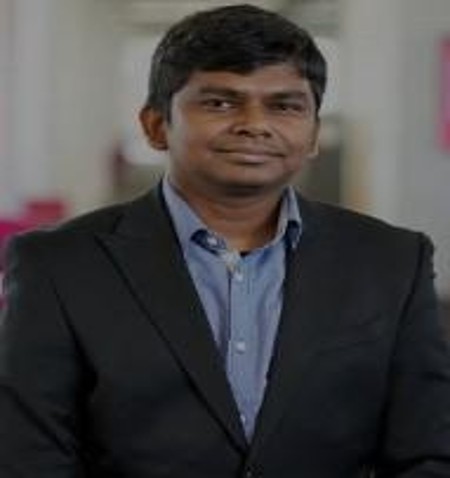
Speaker : Dr. William Navaraj
Designation : Nottingham Trent University, UK
Dr. William Navaraj is a Chartered Engineer and a senior lecturer in the Department of Engineering at Nottingham Trent University. He has more than 8 years of research experience working on various inter- disciplinary research projects. He started his career at HoneyWell. He carried out his PhD in Electrical and Electronic engineering at University of Glasgow where he also later worked as a post-doctoral researcher and have contributed in developing key demonstrators for projects funded by EPSRC and European Commission. He was a theme leader of Assistive Robotics Technology theme at Bendable Electronics and Sensing Technologies (BEST) group at University of Glasgow. Prior to joining University of Glasgow, he worked as a Scientist at CSIR-Central Electronics Engineering Research Institute (CEERI) and as an Assistant Professor at Academy of Scientific and Innovative Research (AcSIR). He has 50+ peer-reviewed publications in international journal/conferences, 2 filed patents and authored 2 book chapters. He has acted as a reviewer for several journals and conferences.
Title of talk: Tactile Intelligence and Haptics: Paving the Way for Breakthroughs in Robotics and Advanced Prosthetics
Abstract
Despite significant advancements in the field of robotics, robots remain largely confined to warehouses and industrial settings, yet to seamlessly integrate into our daily lives or operate effectively in unstructured environments. One key limitation is the absence of robust tactile sensing—a fundamental sense that enables humans to navigate safely, manipulate objects with dexterity, and adapt to unpredictable surroundings. Unlike localized senses such as vision or hearing, tactile sensing relies on a vast network of mechanoreceptors with varying densities, distributed across complex 3D surfaces. To replicate this in robots, tactile sensing systems must also be flexible, scalable, and capable of covering large, irregular areas—posing significant challenges compared to artificial vision or auditory processing. In the realm of prosthetics, tactile sensing plays an equally crucial role in fostering embodiment—the feeling that a prosthetic limb is a natural extension of the body. Without rich sensory feedback, users struggle with precise control and intuitive interaction with their environment. Integrating electronic skin (e-skin) with advanced haptic feedback mechanisms can bridge this gap, enhancing both functionality and the psychological acceptance of prosthetic limbs.
This talk will explore my research on developing tactile sensing electronic skin (e-skin) for robotics and prosthetics, addressing critical aspects such as material innovations, device architectures, fabrication techniques, system interfaces, intelligence and applications. Advancing tactile intelligence holds transformative potential, paving the way for more adaptive, human-like robots, next-generation prosthetics and rehabilitation technologies.
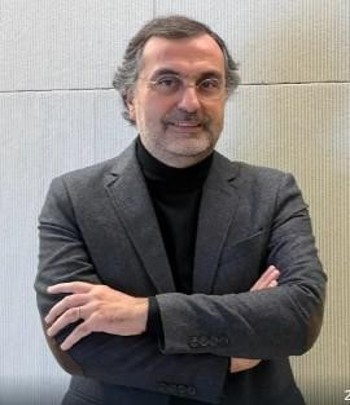
Speaker : Dr. Fernando Moreira
Designation : Full Professor, REMIT, IJP, Universidade Portucalense, Porto & IEETA, Universidade de Aveiro, Portugal
Dr. Fernando Moreira received the bachelor’s degree in computer science and the master’s and Ph.D. degrees in electronic engineering from the Faculty of Engineering, University of Porto, in 1992, 1997, and 2003, respectively. He received the Habilitation in 2018. He established the Science and Technology Department and led it from May 2018 to February 2022. He has been a dedicated member of the Science and Technology Department, Portucalense University, since 1992, where he currently holds the position of Full Professor. He is also a visiting professor with several other esteemed universities. His teaching portfolio encompasses various subjects spanning undergraduate and post-graduate studies. He also supervises Ph.D. and master’s students. He has significantly contributed to this field with over 250 peer-reviewed scientific publications in national and international journals and conferences. He serves as a member of the editorial advisory board for various journals and books and has organized numerous special issues for JCR journals. His commitment to advancing research is further reflected in his consistent participation on program and scientific committees for national and international conferences. He held the M.Sc. in computation coordinator position for a decade, demonstrating his dedication to academic leadership. He is a REMIT Research Center Steering Committee Member, with extensive editorial experience and has co-edited several books. His primary research interests encompass mobile computing, ICT in higher education, mobile learning, social business, and digital transformation. His professional affiliations include NSTICC, ACM, and IEEE. He received the prestigious Atlas Elsevier Award for his contributions in April 2019.
Title of talk: AI Ethics in Education: Confronting the Rise of “Erudite Illiterates”
Abstract
As artificial intelligence continues transforming the educational landscape, the rise of AI-generated content (AIGen) presents extraordinary opportunities and profound ethical dilemmas for higher education. In this keynote, we will explore the pivotal question: how can educators and institutions embrace AIGen as a tool for innovation while safeguarding academic integrity, equity, and the essence of learning? This session dives deep into the transformative potential of AIGen to personalize learning, streamline administrative tasks, and foster creativity in teaching and research. At the same time, we’ll confront the challenges of plagiarism, bias, and the risk of diminishing critical thinking skills in a world where AI can compose essays, solve equations, and even generate lesson plans. More importantly, this talk calls for a shared commitment to an ethical framework for AIGen adoption that champions transparency, equity, and the enduring value of human intellect. By addressing these challenges head-on, we’ll empower educators, administrators, and students to become co-creators of an AI-enhanced future where technology enriches, rather than undermines, the pursuit of knowledge.
Invited talks of SPIN 2024

Speaker Dr Jon Jenkins
Title Improving Estimates of the Frequency of Earth-like Planets in the Habitable Zone of Sun-Like Stars by Reprocessing the Kepler Dataset
Abstract :
NASA is moving forward with the Habitable Worlds Observer (HWO) mission concept recommended by the 2020 Astrophysics Decadal Survey and slated for launch in the 2040s. HWO is expected to be a 6-m class IR/Op-cal/UV Observatory optimized for exoplanets and general astrophysics and one of the most powerful space-born observatories ever conceived. Its chief goal is to image ~25 planetary systems around Sun-like stars, including Earth-size exoplanets in their star’s habitable zone and characterize their atmospheric content. By measuring the spectra of these planets, HWO will search for biosignatures such as water, methane, oxygen and/or ozone. The success of HWO depends on η⊕, the expected number of Earth-size exoplanets orbiting in the habitable zone of a Sun-like star. This defines the distance out to which HWO needs to operate to achieve its goals, and thus its size and performance, which are the primary cost drivers. Current estimates of η⊕ have very large uncertainties, primarily due to the paucity of reliable Earth-size, rocky exoplanets in the habitable zone of Sunlike stars. The Kepler mission dataset will likely be the only high-quality data set available in time to inform HWO’s design. Since the end of the Kepler mission, a great deal has been learned about transit detection, the construction of exoplanet catalogs suitable for population studies, and the inference of η⊕ from such catalogs. Kepler data are better understood, and better approaches to photometry and systematic error correction have been developed. Most significantly, the Gaia mission has delivered vastly improved, high-precision stellar catalogs to better understand the stellar population observed by Kepler as well as the background stars around each target. Gaia will help to improve the quality and precision of Kepler data products and the sensitivity of the planet search, enabling the detection of more small exoplanets in the habitable zone of Sun-like stars. Our team was awarded a 5-year grant to develop an improved version of the Kepler pipeline and to reprocess all Kepler data, starting from the existing calibrated pixels and ending with a new exoplanet catalog and η⊕ computation. Our pipeline will be open source, written in java and python, leveraging existing software whenever possible,and designed for wide use with general transit data. We hope to encourage community efforts to explore complementary techniques and technologies to this effort by developing the code in the open to achieve the best estimates for η⊕ and thus, the best design requirements for HWO.
Speaker Dr. Vivek Lall,
Title
Abstract :
.
Speaker Dr Ian White
Title Ultrahigh Performance RFID detection, location and flow using Advanced Signal Processing
Abstract :
This paper will review the development of a unique wide area and error free battery free radio frequency identification (RFID) interrogation system using multiple antennas working in cooperation to provide high quality coverage. The use of multiple interrogation RF beams greatly improves multiple tag identification performance over wide areas of up to 10 x 10 m using a single RFID reader. Read accuracies of > 99% are achieved for tag detection and for tag direction of movement. Recently location performance to 3 x 3 m has been achieved with > 98% read accuracies over a 2,000 square meters area with multiple RFID readers. In addition, read rates in excess of 500 tags/s are achieved. The paper will discuss application areas in logistics, healthcare and retail and potential future directions for the field.
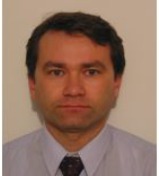
Speaker Dr Zeljko Zilic
Title Blockchain Tokens for Universal Encrypted Access: A System for Healthcare Information Networks
Abstract :
The digitization of healthcare, driven by technological advancements and the digitization of medical records, presents both opportunities and challenges in secure and efficient medical data management. Key concerns revolve around data security, privacy, and accessibility, particularly in the centralized nature of existing systems. Blockchain technology has emerged as a promising solution, offering a decentralized and transparent framework for data exchange and management. However, the interoperability of multiple blockchain-based healthcare networks presents a new challenge, limiting their effective utilization in the healthcare sector. Inadequate data management across different blockchain systems can lead to duplications, inconsistencies, and inefficiencies, putting patient record privacy and security at risk. To tackle these challenges, this thesis proposes a novel approach by introducing blockchain tokens as a universal encrypted access system, facilitating the seamless transfer of patients' medical data across various blockchain-based healthcare networks. Assigning a unique token to each patient addresses the issues of data fragmentation and lack of interoperability that impede blockchain adoption in healthcare. To achieve universal access using tokens, our solution leverages distributed storage systems (DSS), employs steganography and integrates cryptographic techniques. DSS eliminates centralized storage of sensitive medical data, preventing a single point of failure. To protect against the public nature of DSS and the NFT metadata, steganography protects data unique identifiers and sensitive metadata, granting access only to authorized parties. Information is further secured with a strong password when embedded within an image, serving as an NFT image for simplified data retrieval during patient transitions. Cryptographic techniques secure password transfer during patient mobility across networks. Our model leverages the mutability of NFT data to introduce "updatable patient-specific NFTs" for accommodating dynamic medical data while using the immutability of NFT data to establish an ownership mechanism for patients that ensures privacy, uniqueness, and a trusted sharable protocol. This approach seamlessly integrates new patient records in real time on the public blockchain. To evaluate the feasibility, a scoping study is conducted using a medical test network to explore Hyperledger blockchain capabilities in healthcare records management (HRM). Building on insights gained, the scope expanded to two blockchain medical networks, engaging multiple institutions in implementing and testing the integration of medical records on IPFS within the private blockchain network via updatable NFTs on a public blockchain. Performance analysis confirms feasibility and effectiveness and validates practical application potential.
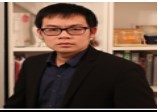
Speaker Dr. Hien Quoc Ngo
Title Virtually Full-Duplex Cell-Free Massive MIMO for 6G
Abstract :
Cell-free massive multiple-input multiple-output (MIMO) is a system where many (hundreds or thousands) access points or base stations coherently serve many (tens or hundreds) users. Different from the current cellular (mobile) networks where the coverage area is divided into cells, in cell-free massive MIMO, there are no cells or cell boundaries. Cell-free massive MIMO is expected to overcome the boundary effect--the inherent limitation of the current cellular networks which persists over the last 50 years. It is expected to ensure everything and everywhere get connected, and hence, fulfils the key requirements of next generation wireless communication systems (beyond 5G and towards 6G). In this talk, we will first focus on the fundamentals as well as signal processing designs for virtually full-duplex cell-free massive MIMO where full-duplex transmission is virtually realized via half-duplex hardware devices. A range of important topics and future directions will be then discussed.
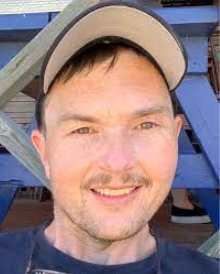
Speaker Dr. Nicholas D. Lane
Title Machine Learning and the Data Center: A Dangerous Dead End
Abstract :
The vast majority of machine learning (ML) occurs today in a data center. But there is a very real possibility that in the (near?) future, we will view this situation similarly to how we now view lead paint, fossil fuels and asbestos: a technological means to an end, that was used for a time because, at that stage, we did not have viable alternatives – and we did not fully appreciate the negative externalities that were being caused. Awareness of the unwanted side effects of the current ML data center centric paradigm is building. It couples to ML an alarming carbon footprint, a reliance on biased close-world datasets, serious risks to user privacy – and promotes centralized control by large organizations due to the assumed extreme compute resources. In this talk, I will offer a sketch of preliminary thoughts regarding how a data center free future for ML might come about, and also describe how some of our recent research results and system solutions (including the Flower framework -- http://flower.dev) might offer a foundation along this path.
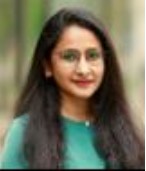
Speaker Dr. Gaurangi Gupta
Title Innovative Antennas for Satellite Telecom, Radar Systems and Radio Telescope
Abstract :
The talk discusses the innovative antennas being developed for various telecom, radar and radio telescope applications. A 350 m diameter reflector antenna is being developed as a detector for the Lunar Crater Radio Telescope Once deployed, it will be one of the largest filled aperture telescopes The RF design and development thus involve complexities in terms of structural constraints and environmental interactions, which will be discussed in the talk. All metal circularly polarized patch excited cup antenna arrays being developed for direct to Earth communication from the potential Europa Lander and for Lunar missions These antennas project the capability to survive high power levels, cryogenic temperature and high radiation on the Europa and Lunar surface. All metal meta-surface antennas have been designed for Ku band ice sounding radar and W-band radiometer. These antennas form an integral part of the development for future space missions. High gain Ka-band reflector antennas with feed clusters are being developed for the INCUS Earth Science Mission Radar. Based on the overlap and gain requirements, unique feed and waveguide routing has been developed using additive manufacturing, which will also be discussed as part of the talk.
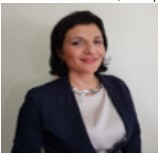
Speaker Dr Annalisa Bruno
Title Vacuum processed Perovskites for Optoelectronic Devices
Abstract :
Metal-halide perovskites made a breakthrough in photovoltaic and light-emitting technologies in the last ten years. MHPs are one of the most promising low-cost materials, due to their excellent optoelectronic properties and fabrication versatility. Since the advent of the first perovskite solar cells (PSCs) in 2009, their power conversion efficiency (PCE) has now reached 25.6% [1], for active areas smaller than 1 cm2 and their operational stability is constantly improving [2-4]. The interest in transferring the existing technology into large-area perovskite modules using industrial-compatible techniques is exploding. In this talk, I will show why thermal evaporation is a promising perovskite fabrication technique to bring this technology closer to reliable and extended production, by relying on excellent size scalability, promising stability, fine composition control, and surface adaptability [5]. The co-evaporated perovskite thin ?lms are uniform over large areas with low surface roughness and a long carrier lifetime. I will present our highly ef?cient, large area, PSCs where the MAPbI3 perovskite is deposited by thermal co-evaporation. Developing optimization strategies customized for n.i.p [6, 7] and p.i.n [8] architectures the PSCs achieved PCEs above 20% in both configurations. Moreover, the co-evaporated MAPbI3is formed intrinsically strain-free and the PSCs showed remarkable structural robustness and impressive thermal maintaining over ≈80% of their initial PCE after 3600 under continuous thermal aging at 85 °C without encapsulation [9].
References
1. J. Avila et al., Joule 2017, 2, 431; F, Kosaisih et al., Joule 2022,12, 2692; Y. Vaynzof, Adv. Energy Mat. 2020, 10, 2003073
2. J. Li et al., Joule 2020, 4, 1035
3. H.A. Dewi et al., Sust. Energy & Fuels. 2022, 6, 2428
4. E. Erdenebileg, et al Solar RRL, 2022, 6, 2100842
5. H.A. Dewi, et al., Adv. Funct. Mater. 2021, 11, 2100557
6. J. Li et al., Adv. Funct. Mater. 2021, 11, 2103252
7. E. Erdenebileg et al., Material Today Chemistry, 2023, 30, 101575
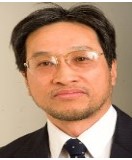
Speaker Dr. Thuy Le
Title
Abstract :
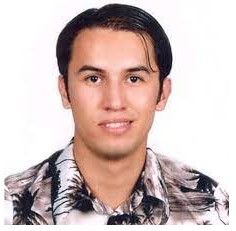
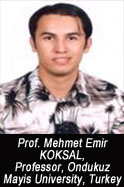
Speaker Dr. M. Emir Koksal
Title Fractional Order Calculus and PID Control
Abstract :
The subject of fractional calculus has become very famous and popular in the last few decades. This is because fractional-order models simulate characteristics of real systems better than integer-order models. Hence, fractional calculus is being used as a powerful and important tool for defining, investigating, analyzing, solving, and understanding many different types of chemicals, engineering, mathematical, physical, statistical, and social problems in real life. In this lecture, Basic concepts of fractional calculus and several popular definitions of fractional integration and differentiation are introduced. Various applications in science and engineering are mentioned. In particular, the design of fractional-order PID controllers are emphasized.
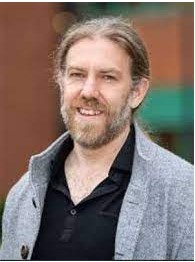
Speaker Dr. Ken Duffy
Title Next Generation Error Correction
Abstract :
Shannon's 1948 opus identified the minimum amount of redundancy that needs to be added to a communication in order to enable reliable reception. Since then, the paradigm has been to co-design restricted classes of algebraically constructed forward error correction codes with code-specific decoding algorithms.
In this talk, we introduce a new forward for error correction decoding that opens up a much broader spectrum of application- and hardware-friendly possibilities. This talk is based on work in collaboration with Muriel Medard (MIT), Rabia Yazicigil (BU) and their groups.
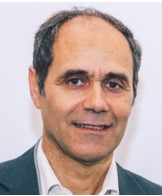
Speaker Dr Álvaro Rocha
Title Dimensions of Assessing the Quality of Peer Review Reports of Scientific Articles
Abstract :
Assuring the quality control of publications in the scientific literature is one of the main challenges of the peer review process. Consequently, there has been an increasing demand for computing solutions that will help to maintain the quality of this process. Recently, the use of Artificial Intelligence techniques has been highlighted, applied in the detection of plagiarism, bias, among other functions. The assessment of the reviewer’s review has also been considered as important in the process, but little is known about it, for instance, which techniques have been applied in this assessment or which criteria have been assessed. Therefore, a systematic literature review was made to find evidence regarding the computational approaches that have been used to evaluate reviewers' reports. To achieve this, five online databases were selected, from which 72 articles were identified that met the inclusion criteria of this review, all of which have been published since 2000. The result returned 10 relevant studies meeting the evaluation requirements of scientific article reviews. The review revealed that mechanisms to rank review reports according to a score, as well as the word analysis, are the most common tools, and that there is no consensus on quality criteria. The systematic literature review has shown that reviewers’ report assessment is a valid tool for maintaining quality throughout the process. However, it still needs to be further developed if it is to be used as a resource which surpasses a single conference or journal, making the peer review process more rigorous and less based on random choice.
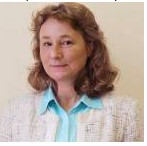
Speaker Dr Lyudmila Mihaylova
Title Gaussian Process Methods for Object Detection, Tracking and Sensor Scheduling with Uncertainty Qualification
Abstract :
Sensor networks generate massive amounts of data. These are often comprised of sensors with different modalities such as radar, acoustic sensors, LIDAR, combined with optical and thermal cameras. Moreover, data arrives with different time rates and levels of accuracy. Making sense of such multiple heterogeneous data is a challenging task that has been extensively studied, but the provision of reliable solutions for autonomous and semi-autonomous systems is a task that remains only partially solved. Fusion of data from multiple heterogeneous sensors of this type is part of the challenge; even more so when the autonomous decisions have to be performed in sequentially and in real-time. Capturing confidence and uncertainty from the integration of heterogeneous large-scale data remains a challenging task.
This talk will present recently developed Gaussian process methods for object detection, tracking and sensor scheduling. Both centralised and decentralised methods will be presented. The power of the methods is especially when dealing with different uncertainties in the sensor data and quantifying their impact on the developed solutions. These can be part of safe and reliable autonomy at different levels.
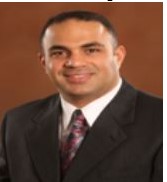
Speaker Dr Ahmed Abdelgawad
Title Build Your-Own-IoT-Architecture
Abstract :
Internet of Things (IoT) is the network of physical objects or “things” embedded with electronics, software, sensors, and network connectivity. It enables the objects to collect, share, and analyze data. The IoT has become an integral part of our daily lives through applications such as public safety, intelligent tracking in transportation, industrial wireless automation, personal health monitoring, and health care for the aged community. IoT is one of the latest technologies that will change our lifestyle in the coming years. Experts estimate that as of now, there are 23 billion connected devices, and by 2020 it would reach 30 billion devices. This talk aims to introduce the design and implementation of IoT signal processing systems. The foundations of IoT will be discussed throughout real applications. Challenges and constraints for future research in IoT will be discussed. In addition, research opportunities and collaboration will be offered for the attendees
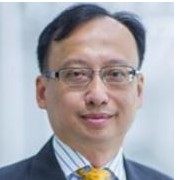
Speaker Dr. Peter H. J. Chong
Title Fuzzy based Fall Risk Prediction in Older Adult’s.
Abstract :
The global elderly population is increasing rapidly, leading to a rise in chronic illnesses and co-existing conditions, which in turn results in higher healthcare expenses. Accidental falls are among the leading causes of injury-related deaths in elderly individuals. This study aims to create a real-time monitoring system using vital signs to foresee a future fall in older adults by identifying abnormalities through continuous monitoring. The proposed fall prediction technique, employing the Fuzzy-based Fall Prediction Algorithm, utilizes Fuzzy rules to learn and execute tasks. The obtained results are then classified according to different levels of predicted risk indicators. The developed model is tested using data from older adults sourced from a public repository and compared with the results of the theoretical evaluation. The simulated outcomes demonstrate that the proposed algorithm achieves 96% accuracy, 93.75% sensitivity, and 100% specificity. Utilizing these advancements in the proposed heterogeneous technology allows for the early prediction of falls in the elderly and can potentially save lives.
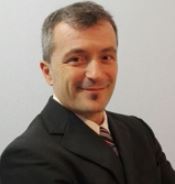
Speaker Dr. Carlos M. Travieso-Gonzále
Title Image Analysis for Affective Computing: More Than Just Pixels
Abstract :
Image analysis for affective computing is a rapidly growing field that seeks to understand and interpret human emotions from images. This involves the use of computer vision and machine learning techniques to extract features from images, such as facial expressions, body language, and physiological signals, which can be used to infer emotional states.Affective computing can revolutionize the way we interact with computers and the world around us. It can be used to develop more natural and engaging user interfaces, improve the accuracy of emotion recognition in social networks and other online interactions, and provide new insights into human behavior.
This article presents an overview of image analysis for affective computing. First, the basic principles of affective computing and image analysis are discussed. Next, the concept of emotion recognition from images is reviewed, including facial expression recognition, body language analysis, and physiological signal processing. Finally, the challenges and opportunities for future research in this field for neurodegenerative diseases are discussed.
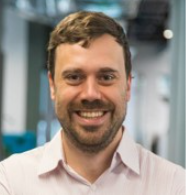
Speaker Dr. Tobias Fischer
Title Advancements in Visual Place Recognition: From Loop Closure to Localization and Beyond
Abstract :
In this presentation, I will explore the evolving landscape of Visual Place Recognition (VPR), a critical component in robotics that allows machines to recognize previously visited locations based solely on visual data. While early applications were largely confined to loop closure in Simultaneous Localization and Mapping (SLAM), the utility of VPR is now being extended to localization-only pipelines where a pre-existing map is available.
Key Highlights include:
- Event-Based Sensing and Processing: I will focus on innovative methods utilizing event cameras and spiking neural networks for enhanced VPR capabilities.
- State-of-the-Art Methods: An introduction to ground-breaking techniques that are redefining VPR, including our award-winning method, Patch-NetVLAD.
- RoboStack: RoboStack is a versatile tool for running the Robot Operating System (ROS) across multiple operating systems while integrating the latest packages in machine learning, computer vision, and robotics.
- If time permits, I will provide an overview of recent developments in ecological applications, such as seagrass and coral reef segmentation.
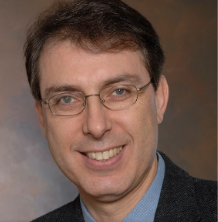
Speaker Dr Andreas Savakis
Title Continual Adaptation in Gradually Changing Environments
Abstract :
As deep learning models get deployed in the real world, they encounter a new set of challenges including robustness, generalization and adaptation. The performance of classification models degrades significantly when operating in new environments with different distributions compared to the training data. Domain Adaptation (DA) aims to overcome the dataset bias problem by closing the gap in classification performance between the source domain used for training and the target domain where testing takes place. We present a new framework for Continual Domain Adaptation, where the target domain samples are acquired in small batches over time and adaptation takes place continually in gradually changing environments. Our Continual Domain Adaptation approach utilizes concepts from both DA and continual learning and achieves state-of-the-art results on various datasets under challenging conditions.
Speaker Dr Justin Dauwels
Title Perception error modelling for autonomous driving
Abstract :
Even though virtual testing of Autonomous Vehicles (AVs) has been well recognized as essential for safety assessment, AV simulators are still undergoing active development. One particular challenge is the problem of including the Sensing and Perception (S&P) subsystem into the virtual simulation loop in an efficient and effective manner. In this article, we define Perception Error Models (PEM), a virtual simulation component that can enable the analysis of the impact of perception errors on AV safety, without the need to model the sensors themselves. In this talk, we propose a generalized data-driven procedure towards parametric modeling , and we demonstrate the usefulness of PEM-based virtual tests, by evaluating camera, LiDAR, and camera-LiDAR setups. Our virtual tests highlight limitations in the current evaluation metrics, and the proposed approach can help study the impact of perception errors on AV safety.
Speaker Dr. Abhinav Valada
Title Brain over Brawn: Rethinking Robot Learning for Autonomy at Scale
Abstract :
A long-standing vision has been to create intelligent robots capable of learning from the world around them to assist humans in everyday tasks from domestic chores to transportation. However, most robots deployed today are still tailored for specific tasks and environments, avoiding contact with humans. Although the past decade has witnessed unprecedented advances in machine learning techniques for various autonomy tasks, they have increased the dependency on manually annotated labels or reward engineering, which are both environment- and task-specific. Moreover, as different robots have different hardware configurations (e.g., sensor modalities, viewpoints, locomotion), the transferability of these learned autonomy modules has become even more challenging. To achieve our goal of ubiquitous robots, we need to develop learning methods for robot autonomy that generalize effectively across diverse tasks, robots, and unstructured environments. In this talk, I will present our efforts in alleviating the aforementioned challenges in service robots ranging from autonomous vehicles to mobile manipulators. Specifically, I will discuss three fundamental aspects of learning autonomy at scale: 1) learning multiple diverse tasks simultaneously by sharing knowledge and exploiting complementary cues, 2) learning to adapt tasks across different robots and environments, and 3) learning efficiently with minimal human supervision. These techniques have not only facilitated setting the new state-of-the-art, they have opened doors to a wide variety of new applications in human-centered environments. Lastly, I will conclude the talk by presenting our ongoing efforts to address fairness in robot learning for ensuring safe, trustworthy, and responsible innovation, which is crucial for both scalability and fostering acceptance in society.
Speaker Dr. Adam Narbudowicz
Title Antenna arrays of sub-wavelength size for beamforming and localization within limited volume
Abstract :
Traditionally, the beamforming and angle of arrival estimation are performed with large antenna arrays, where antennas are separated by l/2 distance. However, this approach does not allow for antenna miniaturisation, as larger aperture size is required for better angular resolution. In this talk, a new approach is proposed, which relies on direct spherical-mode beamforming; It generates a number of omnidirectional spherical modes, with each mode exhibiting an intrinsic phase-variation across its radiation pattern. Since each mode is by definition orthogonal, it can be independently controlled. Therefore, by applying appropriate phase shift, an unidirectional beam can be created. Overall, the proposed antennas have total diameter between 0.6 – 0.76 l wavelength, which respectively offer size reduction of 70 – 60% as compared to linear arrays, with Angle-of-arrival resolution outperforming their larger counterparts.
Speaker Dr. Jacob Scharcanski
Title Stochastic Texture Measurement and Analysis with Applications
Abstract :
In this talk, we address the problem of capturing useful information and measurements from stochastic textures. We also outline some of the challenges of this area, as well as the techniques proposed to approach them. In order to illustrate this presentation, some applications are discussed, focusing in areas such as agriculture, soil sciences, porous media, and pulp and paper.

Speaker Dr. Angela Amphawan
Title Spatial Modes: Increasing the Capacity of Future Networks
Abstract :
Internet-of-Things is revolutionizing industries and gaining prevalence in our data-driven society. A recent paradigm in optical networks is the utilization of spatial eigenmodes as an additional attribute for increasing the data-carrying capacity of an Internet-of-Things system. In space division multiplexing, various devices, few mode Fibers, and intelligent algorithms are designed for transmitting several data streams independently using spatial modes. The keynote addresses challenges and opportunities in space division multiplexing for future networks.
Speaker Dr. Miguel López-Benítez
Title Achieving Extreme Link Reliability for xURLLC Services in 6G Networks
Abstract :
There is an urgent need to support extremely ultra-reliable connectivity in 5G/6G emerging applications such as Industry 5.0, intelligent transportation systems, tactile Internet, remote healthcare, mission-critical services and ad-hoc disaster/emergency relief, among others. The demanding requirements set in terms of connection reliability for such applications make the wireless access design very challenging in terms of protocols and associated transmission techniques. In this context, this talk will provide a brief overview of the 5G/6G use cases, with a special emphasis on extreme Ultra-Reliable Low-Latency Communication (xURLLC), and will introduce a novel technique specifically devised to improve the link reliability for 5G/6G services based on an hybrid transmission scheme with adaptive diversity combining that dynamically switches between sub-6GHz/mmWave/THz bands to exploit their complementary characteristics. This novel scheme can achieve the same level of reliability as a continuous dual-link transmission scheme but with a much lower level of link usage and without sacrificing (and indeed enhancing) the capacity, thus making it a suitable candidate to deliver xURLLC services in a resource-efficient manner.
Invited talks of SPIN 2023
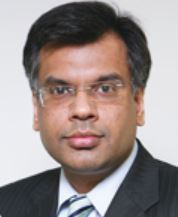
Speaker Dr. Vivek Lall, General Atomics Global Corporation, USA
Title
Abstract :
-
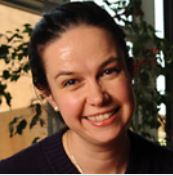
Speaker Dr. Muriel Medard,Massachusetts Institute of Technology Cambridge, USA
Title Universal decoding - revisiting the need for standardization in error-correcting codes
Abstract :
While 5G has provided some notable successes in introducing new technologies, such as millimeter wave and adoption of massive multi-input multi-output (MIMO), many of the above desiderata have been pushed at this stage to 6G. The causes of these unrealized ambitions are varied, but much can be attributed to the fact that the architecture of 5G remains patterned after previous generations, an overlay of many quasi-sedimentary layers of successive legacies, from conventional suboptimal modulations, to interleaving over channels, to being limited to a small number of long-and low-rate physical layer codes such as LDPCs, to hybrid ARQ and ARQ repetition at the MAC and transport layers. 5G has often resorted to increasing bandwidth to mask the inefficiencies of these legacy issues by running systems in fast forward.

Speaker Dr. Peter H. J. Chong, Auckland University of Technology, NewZealand
Title A Joint Physical-Layer Network Coding Based Medium Access Control
Abstract :
Vehicular network plays a crucial role in intelligent transportation system. It can provide road safety by broadcasting Basic safety message (BSM). Based on the framework of Dedicated Short-Range Communication (DSRC), this paper proposes an efficient and reliable MAC protocol for BSM packets dissemination in last-mile vehicular networks from the train station. It perfectly integrates Physical-Layer Network Coding (PNC) and Random Linear Network Coding (RLNC) in both roadside unit (RSU) and onboard unit (OBU) nodes. Comprehensive simulation shows that compared with the existing schemes for BSM dissemination, the proposed protocol achieves both high flexibility and excellent performance in packet delivery ratio (PDR).
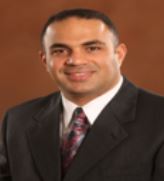
Speaker Dr Ahmed Abdelgawad, Central Michigan University, USA
Title All What You Need to Know About Internet of Things (IoT)
Abstract :
Internet of Things (IoT) is the network of physical objects or “things” embedded with electronics, software, sensors, and network connectivity. It enables the objects to collect, share, and analyze data. The IoT has become an integral part of our daily lives through applications such as public safety, intelligent tracking in transportation, industrial wireless automation, personal health monitoring, and health care for the aged community. IoT is one of the latest technologies that will change our lifestyle in the coming years. This talk aims to introduce the design and implementation of IoT signal processing systems. The foundations of IoT will be discussed throughout real applications. Challenges and constraints for future research in IoT will be discussed. In addition, research opportunities and collaboration will be offered for the attendees.
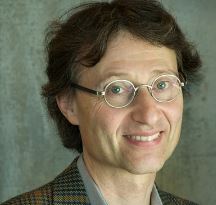
Speaker Dr. Harry E. Ruda, University of Toronto, Canada
Title Prospects for nanowire optoelectronics
Abstract :
Semiconductor nanowire research has touched many aspects of optoelectronics owing to inherent advantages that these structures can provide for future device applications. In this presentation, we focus on the unique aspects of the structures to provide for subwavelength emitters and absorbers, as well as sensors suitable for IoT. We draw from our contributions and those of others to highlight the ability to fabricate nanoscale light emitters, ultrafast high responsivity photodetectors for future information processing applications, as well as leveraging their deployment in systems, in particular optical cavities, for state-of-the-art sensing platforms.
Speaker Dr Ian White, University of Bath, UK
Title Advances and Trends in Optical Data Communications
Abstract :
This presentation will provide an overview of local area optical communications systems highlighting the advances that have enabled local area optical link datas rate to increase from 0.1 Gb/s in 1990 to nearly a Tb/s around 2020 . After providing a historical context, there will be a discussion of the range of technologies which have been used including those for fibreoptic hardware, modulation formats, signal processing and packet switching. The presentation will then describe the challenges to increasing link data rates further, recognising the need to reduce the transmitted power per bit and cost. Potential technical solutions and newly proposed methods are outlined.
Speaker Dr Jon Jenkins, NASA Ames Research Center, USA
Title Ziggy, a Portable, Scalable Infrastructure for Science Data Processing Pipelines and its Application to a Proxy, Legacy Global Hyperspectral Data Set for NASA’s Earth System Observatory’s Upcoming Surface, Biology and Geology Mission
Abstract :
The Surface Biology and Geology (SBG) mission recently passed mission confirmation review and has entered phase A – design and development. SBG will acquire high resolution solar-reflected spectroscopy and thermal infrared observations at a data rate of ~2.5 TB/day and generate products at ~40 TB/day. Given that the per-day volume is greater than NASA’s total extant airborne hyperspectral data collection, collecting, processing, disseminating, and exploiting the SBG data present new challenges. To meet these challenges, we have developed a prototype science data processing pipeline using a legacy hyperspectral data set to help prepare for SBG’s flight. Our science pipeline infrastructure, Ziggy, is based on the technology developed for NASA’s Kepler and TESS planet-hunting missions. We integrated Ziggy with Earth Observer-1/Hyperion workflows to build a prototype SBG pipeline and ingested the 17-year Hyperion archive that provides globally sampled visible through shortwave infrared spectra that are representative of SBG data types and volumes. We fully implemented the first stage and processed the entire 55 TB Hyperion data set from the raw data (Level 0) to top-of-the-atmosphere radiance (Level 1R). We are currently evaluating the ISOFIT atmospheric correction module to convert the L1R data to surface reflectance spectra (Level 2) before reprocessing the full data set to L2. Cross Checks are being performed with RadCalNet as well as with coincident observations by AVIRIS. This effort demonstrates that Ziggy can significantly reduce the cost, risk and time required to develop complex science data processing pipelines for extremely large data sets.

Speaker Dr. Kinga Schumacher,German Research Center for Artificial Intelligence, Germany
Title Zooming in and zooming out of AI - The methods behind automation and control
Abstract :
This talk will provide an overview on AI based on the methods-capabilities-matrix. The matrix helps to answer questions such as „What methods do I need to consider if I want to achieve a particular capability?“ or „what can I achieve with these methods?“.
We will zoom into areas relevant to the automation and control of AI systems, highlighting both a range of methods and current research activities and results. Finally, a third dimension will be introduced: the criticality of AI applications.
Speaker Dr Darius Burschka, Technical University of Munich, Germany
Title Challenges in Coupling of Multimodal Sensor Data to Robot Control
Abstract :
The current development in the information processing in robotics applications towards learning methods creates new challenges on the processing in the robot. A robust processing requires multimodal complementary input sources that need to be fused together for a robust control signal. I will present methods that allow to integrate slow sensor signals (cameras) directly into the control loops of highly dynamic robotic systems and discuss the necessary parametrizations for this step. I will also present, what needs to be added to the current learning based methods to be useful for robot control and show our current approaches how to extend the DL frameworks to provide the necessary information.

Speaker Dr Justin Dauwels,Technische Universiteit Delft, Netherlands
Title Identifying psychiatric manifestations in schizophrenia and depression from audio-visual behavioral indicators through a machine-learning approach
Abstract :
Schizophrenia (SCZ) and depression (MDD) are two chronic mental disorders that seriously affect the quality of life of millions of people worldwide. We aim to develop machine-learning methods with objective linguistic, speech, facial, and motor behavioral cues to reliably predict the severity of psychopathology or cognitive function, and distinguish diagnosis groups. We collected and analyzed the speech, facial expressions, and body movement recordings of 228 participants (103 SCZ, 50 MDD, and 75 healthy controls) from two separate studies. We created an ensemble machine-learning pipeline and achieved a balanced accuracy of 75.3% for classifying the total score of negative symptoms, 75.6% for the composite score of cognitive deficits, and 73.6% for the total score of general psychiatric symptoms in the mixed sample containing all three diagnostic groups. The proposed system is also able to differentiate between MDD and SCZ with a balanced accuracy of 84.7% and differentiate patients with SCZ or MDD from healthy controls with a balanced accuracy of 82.3%. These results suggest that machine-learning models leveraging audio-visual characteristics can help diagnose, assess, and monitor patients with schizophrenia and depression.
Speaker Dr. Alex Casson, The University of Manchester, England, U.K
Title
Abstract :
-
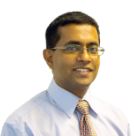
Speaker Dr. Sarath Kodagoda,UTS Robotics Institute Hornsby, Australia
Title Can we keep humans away from sewers?
Abstract :
Safe, efficient and cost effective condition assessment of all shapes of wastewater assets is significant for the wastewater managers. The value of sewerage infrastructure assets in the United States and Australia is estimated to be more than $1 trillion and $100 billion respectively. Wastewater assets are deteriorating at a cost estimated to be $13.75 billion per year in the United States, $50 billion per year in Germany, and $100 million per year in Australia, which are further expected to rise. Failure to maintain such infrastructures will result in a variety of negative economic, social and environmental consequences for utilities and the governments. With increasing urbanization, industrialization, effects of climate change and expectation of higher quality of life and reputation, there is an unprecedented demand for making the old wastewater systems more efficient, durable and resilient. This requires frequent, safe, cost effective and efficient condition assessments without exposing humans in sewers.
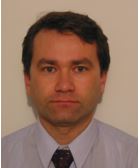
Speaker Dr Zeljko Zilic, McGill University, Canada
Title Blockchain for Internet of Things: Opportunities and Challenges
Abstract :
In this talk, we review the issues in using blockchain for Internet of Things (IoT) and their applications. After reviewing the topics in trust and security, we outline our proposals for providing secure access between IoT devices and the blockchain, as well as the mechanisms for providing scalable, 2-level provisioned blockchain installations.
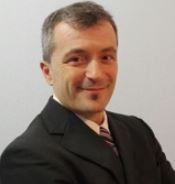
Speaker Dr. Carlos M. Travieso-Gonzále, University of Las Palmas de Gran Canaria ,Spain
Title Analysing the affective computing by image processing
Abstract :
The physiological signals also known biosignals, most common and used for biomedical and biometric identification, are the electrocardiogram (ECG) and electroencephalogram (EEG). ECG measures the electrical activity of the heart and EEG measures the electrical activity of the brain. There is other very rarely used signals that we consider studying as part of this work. For example, the electromyogram (EMG) which is a record of the electrical activity produced by the muscles and nerves and the galvanic skin response (GSR)or skin conductance, which is an indication of psychological or physiological arousal such as fear, anger or other feelings. The detection of the degree of emotion through physiological signals is a very poorly studied area that can offer a new and efficient system, which deals with using the combination of several physiological signals as a method of identifying the degree of emotion in affective computing. The objective of this proposal is to analyze the physiological signals that show people's emotions, quantify it and perform an automatic detection, which can become an innovative and robust tool that shows the degree of emotion
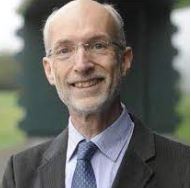
Speaker Dr Stuart Parkin,Max Planck Institute for Microstructure Physics, Germany
Title Chiral spintronics for massive digital data memory-storage
Abstract :
Spintronics is a field of research that harnesses the electron’s spin to create novel materials with exotic properties and devices especially those for storing digital data that is the lifeblood of many of the most valuable companies today. Spintronics has already had two major technological successes with the invention and application of spin-valve magnetic field sensors that allowed for more than a thousand-fold increase in the storage capacity of magnetic disk drives that store ~70% of all digital data today. Just recently, after almost a 25-year exploration and development period, a high performance nonvolatile Magnetic Random Access Memory, that uses magnetic tunnel junction memory elements, became commercially available. A novel spintronics memory-storage technology, Magnetic Racetrack Memory is on track to become the third major success of spintronics. Racetrack Memory is a novel, non-volatile memory in which data is encoded in mobile chiral domain walls that are moved at high speeds by current induced spin-orbit torques to and thro along synthetic antiferromagnetic racetracks. Chiral domain walls are just one member of an ever-expanding family of nano-scopic chiral spin textures that are of great interest from both a fundamental as well as a technological perspective. A zoology of complex spin textures have been discovered including, anti-skyrmions, elliptical Bloch skyrmions, two-dimensional Néel skyrmions, and fractional anti-skyrmions. Finally, I will discuss some of our recent work in superconducting spintronics that could lead to a very low energy-consuming cryogenic racetrack memory that is needed for advanced quantum computing systems.
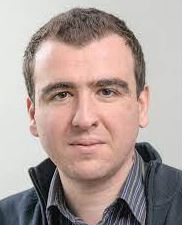
Speaker Dr. Grigore S. Stamatescu,University, Politehnica of Bucharest, Romania
Title Data Pre-processing and Automated Machine learning for Energy AI: An Overview
Abstract :
Applications of artificial intelligence methods in the energy sector are driving a new wave of scientific and engineering developments aimed at improving the efficiency, resilience and security of the energy system. This is supported through open-science resources including, but not limited to, high-quality public data-sets, code artefacts and open-source libraries and tools, as well as collaborative communities for public-private projects. The talk will first introduce available repositories for data-driven research in Energy AI such as IEEE Dataport and PecanStreet and the technologies enabling such as development environments (JupyterLab, VS Code) and dedicated Python libraries such as tsfresh, matrixprofile, scikit-learn, auto-sklearn. An end-to-end workflow will be introduced for robust benchmarking of forecasting and anomaly detection of energy time series in sub-problems such as building automation and microgrid energy variability assessment at micro-temporal scales. Such representative implementation examples will enable researchers and engineers to productively approach this domain and foster collaboration with wide-reaching potential impact on environmental protection, social and economic development.
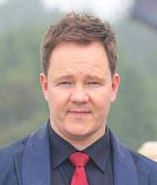
Speaker Dr Pavel Loskot,ZJU-UIUC Institute Rm, China
Title Algebras for Advanced Signal Processing and Data Mining: New Analytical Tools Beyond Calculus
Abstract :
Linear algebra, multivariate calculus, applied probability and statistics, and convex optimizations are well-established mathematical tools that have been used extensively in designing variety of engineering systems. These tools are very effective in processing numerical values as well as manipulating basic mathematical objects including variables, vectors and functions. However, as the systems are getting much more sophisticated and embed intelligent decision makings, their design demands much more advanced approaches and going beyond traditional calculus. There is a great need to work with more advanced mathematical structures and abstractions. This talk will outline modern algebraic concepts for abstract modeling and manipulating complex mathematical structures including data topology, algebras and category theory.
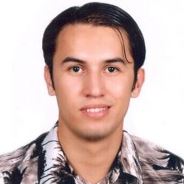
Speaker Dr Mehmet Emir Koksal, Ondokuz Mayis Üniversitesi,Samsun, Turkey
Title Design of fractional-order proportional-integral-derivative controllers by using three-dimensional plots
Abstract :
In this talk, mathematical formulations of five design specifications in accordance with the three-dimensional drawing with programming implementations by MATLAB are presented. For designing controllers by using the introduced three-dimensional graphical method, system design specifications such as phase margin, gain margin, phase flatness, low-frequency output disturbance rejection and high-frequency noise rejection are considered, and their important characteristics are shown. The requirements are mapped in the three-dimensional Euclid space by three-dimensional surfaces or lines so that the proportional, integral, derivative control coefficients can be chosen to meet the given specifications in an optimum way and to allow trade-off or compromise.
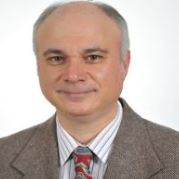
Speaker Dr. Jacob Scharcanski, Federal University of Rio Grande do Sul,Brazil
Title
Abstract :
-
Speaker Dr Lotte N. S. Andreasen Struijk, Aalborg University, Denmark
Title Tongue interfacing for robots and assistive technologies
Abstract :
Tongue interfaces have been developed to allow severely paralyzed individuals to control assistive technologies and robots. This talk presents applications of an inductive tongue computer interface for robot and computer control and addresses the usability with regard to e.g., speech and robustness, which has been the topic of some speculations in the field of research on assistive technologies.
Speaker Dr. Hien Quoc Ngo, Queen's University Belfast, U.K
Title The Road to 6G: From MIMO to Cell-Free Massive MIMO
Abstract :
Cell-free massive multiple-input multiple-output (MIMO) is a system where many (hundreds or thousands) access points or base stations coherently serve many (tens or hundreds) users. Different from the current cellular (mobile) networks where the coverage area is divided into cells, in cell-free massive MIMO, there are no cells or cell boundaries. Cell-free massive MIMO is expected to overcome the boundary effect--the inherent limitation of the current cellular networks which persists over the last 50 years. It is expected to ensure everything and everywhere get connected, and hence, fulfils the key requirements of next generation wireless communication systems (beyond 5G and towards 6G).
Speaker Dr. Sunil Vadera, University of Salford, Manchester, U.K
Title A Model for Information and Sensor Validation
Abstract :
Sensor validation is critical for many applications. Without it, machine learning and decision-making models suffer from the garbage in/garbage out problem. In this presentation, I will present a Bayesian model for information and sensor validation model that was developed with colleagues at Mexican Instituto de Electricas. The model represents relationships between variables using Bayesian networks and utilizes probabilistic propagation to estimate the expected values of variables. If the estimated value of a variable differs from the actual value, an apparent fault is detected. The fault is only apparent since it may be that the estimated value is itself based on faulty data. The theory extends our understanding of when it is possible to isolate real faults from potential faults and supports the development of an algorithm that is capable of isolating real faults without deferring the problem to the use of expert provided domain-specific rules. To enable practical adoption for real-time processes, an any time version of the algorithm is developed, that, unlike most other algorithms, is capable of returning improving assessments of the validity of the sensors as it accumulates more evidence with time. The developed model is tested by applying it to the validation of temperature sensors during the start-up phase of a gas turbine when conditions are not stable; a problem that is known to be challenging

Speaker Dr. John Healy, University college Dublin, Ireland
Title Suppression of Gibbs Ringing in MR Images
Abstract :
Gibbs ringing arises when discontinuous signals are reconstructed from Fourier domain data. Such a situation occurs in magnetic resonance (MR) imaging, which measures discrete Fourier domain data. Ringing artifacts can confuse diagnosis based on such an MR image. There are a variety of algorithms for processing MR images to remove ringing artifacts, but these are poorly evidenced. We discuss the quantitative evaluation of such algorithms and present results.
Speaker Dr. Halina Kwasnicka, Wroclaw University of Science and Technology, Poland
Title -
Abstract :
-
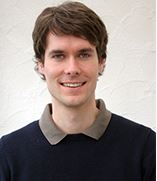
Speaker Dr. Jürgen Gall, University of Bonn, Germany
Title Efficient CNNs and Transformers for Video Understanding and Image Synthesis
Abstract :
In this talk, I will first discuss approaches that reduce the GFLOPs during inference for 3D convolutional neural networks (CNN) and vision transformers. While state-of-the-art 3D CNNs and vision transformers achieve very good results on action recognition datasets, they are computationally very expensive and require many GFLOPs. While the GFLOPs of a 3D CNN or vision transformer can be decreased by reducing the temporal feature resolution or the number of tokens, there is no setting that is optimal for all input clips. I will therefore discuss two differentiable sampling approaches that can be plugged into any existing 3D CNN or vision transformer architecture. The sampling approaches adapt the computational resources to the input video such that as much resources as needed but not more than necessary are used to classify a video. The approaches substantially reduce the computational cost (GFLOPs) of state-of-the-art networks while preserving the accuracy. In the second part, I will discuss an approach that generates annotated training samples of very rare classes. It is based on a generative adversarial network (GAN) that jointly synthesizes images and the corresponding segmentation mask for each image. The generated data can then be used for one-shot video object segmentation
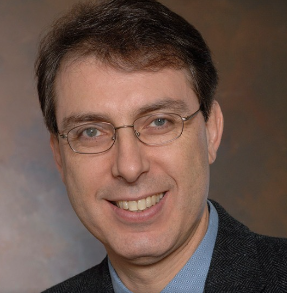
Speaker Dr Andreas Savakis,Rochester Institute of Technology, USA
Title Multi-scale Representations for Human Pose Estimation
Abstract :
Human pose estimation is a topic of interest for research and applications, such as human-computer interaction, activity recognition and health monitoring. Pose estimation methods have advanced significantly due to deep learning architectures based on convolutional neural networks and more recently on vision transformers. We discuss an efficient Waterfall Atrous Spatial Pooling (WASP) architecture for multi-scale feature extraction that is useful for both pose estimation and semantic segmentation. Our waterfall architecture leverages the efficiency of progressive filtering in cascade, while maintaining multiscale fields-of-view comparable to spatial pyramid configurations. The waterfall module is used with various backbones in an encoder-decoder framework producing state-of-the-art results for single person and multi-person 2D pose estimation. We extend our framework to 3D pose from a single image and 2D hand pose estimation. We conclude by outlining new directions and applications for future work.
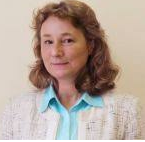
Speaker Dr Lyudmila Mihaylova, The University of Sheffield, UK
Title How Could we Increase Autonomy with Machine Learning Methods?
Abstract :
There is a fast development of different machine learning methods – for object classification, tracking, action recognition and other tasks with multiple types of data – from images and videos to time series data. Autonomous image and video analytics face a number of challenges due to the huge volumes of data that sensors provide, the changeable environmental conditions and other factors. However, it is important to know when the methods work well and when they are not reliable, e.g. how much could we trust the obtained results? How could we characterize trust is a related question. How could we quantify the impact of uncertainties on the developed solutions? This talk will discuss current trends in the area of machine learning and show results for image and video analytics for autonomous systems.

Speaker Dr Annalisa Bruno, Nanyang Technical University, Singapore
Title Co-Evaporated Metal Halide Perovskites: from Small Areas Solar Cells to Mini module
Abstract :
Metal-halide perovskites made a breakthrough in photovoltaic and light-emitting technologies in the last ten years. MHPs are one of the most promising low-cost materials, due to their excellent optoelectronic properties and fabrication versatility. Since the adventofthefirstperovskite solar cells (PSCs) in 2009, their power conversion efficiency (PCE) has now reached 25.6% [1], for active areas smaller than 1 cm2 and their operational stability is constantly improving [2-4]. The interest in transferring the existing technology into large-area perovskite modules using industrial-compatible techniques is exploding. In this talk, I will show why thermal evaporation is a promising perovskite fabrication technique to bring this technology closer to reliable and extended production, by relying on excellent size scalability, promising stability, fine composition control, and surface adaptability [5]. The co-evaporated perovskite thin ?lms are uniform over large areas with low surface roughness and a long carrier lifetime. I will present our highly ef?cient, large area, PSCs where the MAPbI3 perovskite is deposited by thermal co-evaporation. Developing optimization strategies customized for n.i.p [6, 7] and p.i.n [8] architectures the PSCs achieved PCEs above 20% in both configurations. Moreover, the co-evaporated MAPbI3is formed intrinsically strain-free and the PSCs showed remarkable structural robustness and impressive thermal maintaining over ≈80% of their initial PCE after 3600 under continuous thermal aging at 85 °C without encapsulation[9].
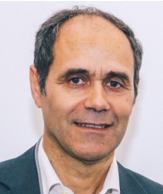
Speaker Dr Álvaro Rocha, University of Lisbon, Portugal
Title Telemedicine in Maturity Models
Abstract :
Telemedicine allows health care professionals to evaluate, diagnose and treat patients at a distance using telecommunications technology. The approach has been through a striking evolution in the last years and it is becoming an increasingly important part of the healthcare infrastructure. So, telemedicine is usually present in Maturity Models for management of Hospital Information Systems, as a characteristic of maturity stages and/or maturity influencing factors. This talk starts with an introduction to growth stages theory and maturity models, specifically those related with information systems management. Then, an analysis and a discussion are done to show where telemedicine is positioned in Maturity Models for management of Hospital Information Systems and, at the end, some conclusions are drawn.

Speaker Dr. Genovese Angelo, University of Milan, Italy
Title Deep Learning for Hematopathology
Abstract :
Computer Aided Diagnosis (CAD) systems are increasingly utilizing image analysis and Deep Learning (DL) techniques, due to their high accuracy in several medical imaging fields, including the detection of Acute Lymphoblastic (or Lymphocytic) Leukemia (ALL) from peripheral blood samples. CAD systems based on DL can support the pathologists in performing their decision by analyzing the blood samples images to determine the presence of lymphoblasts. However, when using DL, the limited dimensionality of ALL databases may highlight bias in the data and cause overfitting, favoring the use of transfer learning techniques to reduce the bias and increase the accuracy in the detection, in particular by considering Convolutional Neural Networks (CNN) pretrained on larger databases. This talk will present recent possible solutions for high accuracy ALL detection based on CNNs, addressing some of the problems of medical data, such as bias and limited dimensionality.

Speaker Dr. Gaurangi Gupta, NASA Jet Propulsion Laboratory (JPL), California Institute of Technology, USA
Title Innovative Antennas for Satellite Telecom, Radar Systems and Radio Telescope
Abstract :
The talk discusses the innovative antennas being developed for various telecom, radar and radio telescope applications. A 350 m diameter reflector antenna is being developed as a detector for the Lunar Crater Radio Telescope. Once deployed, it will be one of the largest filled aperture telescopes. The RF design and development thus involve complexities in terms of structural constraints and environmental interactions, which will be discussed in the talk. All metal circularly polarized patch excited cup antenna arrays being developed for direct to Earth communication from the potential Europa Lander and for Lunar missions. These antennas project the capability to survive high power levels, cryogenic temperature and high radiation on the Europa and Lunar surface. The optimum placement of these antennas will also be discussed to maximize the coverage hours and data volume per day. All metal meta surface antennas have been designed for Ku band radar and are currently being used for ice sounding measurements. These antennas form an integral part of the development for future space missions

Speaker Dr. Muhammad Ali Babar Abbasi, Queens University Belfast, UK
Title BEYOND 5G BEAMFORMERS: From Terrestrial to Satellite Wireless Networks
Abstract :
Looking to stay ahead of the curve in the fast-paced world of Beyond 5G wireless networks? Then join us for an informative and engaging 30-minute talk, where the Centre for Wireless Innovation (CWI), Queen’s University Belfast, U.K., researcher, Dr. Abbasi will explore the critical role of antenna beamformers in ensuring seamless internet connectivity for wireless devices. Discover the latest trends and applications of co-located beamforming antennas and gain insights into the future of Smart Radio Environments in our increasingly connected world. This free webinar promises to provide valuable knowledge and is not to be missed.
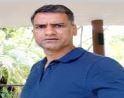
Speaker Dr. Nasimuddin, Institute for Infocomm Research, A-STAR, Singapore
Title Compact circularly polarized antenna designs for RF energy harvesting system
Abstract :
Global demand for energy has grown rapidly in recent years. To meet the long-term demand of global energy, different techniques of wireless energy harvesting were introduced. Harvesting RF energy is an alternative solution, especially with the advances and popularity of wireless communication devices. These communication devices are constantly transmitting RF energy, so RF energy harvesting paves a way to utilize the abundant scattered electromagnetic (EM) waves in our surroundings environment. The available EM waves (RF energy) can be in any polarizations, such as elliptical, linear, or circular. By using an appropriate receiving antenna, EM waves can be converted into electrical energy for low-powered devices, and thus, there is much focus put toward RF energy-harvesting (RFEH) systems, especially in the antenna designs. A CP antenna enables the system to harvest RF energy regardless of the device orientation as well as making the insensitive to polarization loss. The RF waves/energy that is found in the surrounding area can exist in any orientation and phase alignment, so CP antennas are more desirable for energy harvesting systems.

Speaker Dr. Syed Akbar Raza Naqvi, The University of Queensland, Australia
Title Dielectric Properties of Healthy Human Skin and Challenges towards Dermal Anomaly Detection using Electromagnetic Techniques
Abstract :
The subject talk aims to present the complex nature of the human body's largest organ (skin) in terms of its dielectric properties. Skin is the primary barrier to the external environment and protects vital organs from harmful organisms. Any malignancy damaging this first line of defense would require an urgent clinical response. Therefore, as a pre-requisite towards building an electromagnetic skin cancer detection system, it is necessary to understand the dielectric nature of healthy skin and its variation across multiple body regions. The talk will discuss the statistical relationship between the dielectric properties of measured dermal regions and various bio-features, such as skin pigmentation, body weight and gender, observed across 50 healthy volunteers. The observations are aimed at assisting the development of an electromagnetic skin cancer detection system by identifying the causes of dielectric variations across different dermal measurement conditions. The interactive session will also address the measurement challenges and proper characterization procedures of this heterogeneous biological tissue in the clinical environment.

Speaker Dr. Adam Narbudowicz, The University of Dublin, Ireland
Title Securing IoT: Antennas as Padlocks, Propagation as a Key
Abstract :
Physical layer (PHY-layer) security is a topic of paramount significance, as it attempts to restrict the physical areas towards which the communication is transmitted. While numerous cryptographic schemes have been implemented to secure communication in higher layers of telecommunication stack, the PHY-layer offers the unique possibility to link the cryptographic scheme to the physical location of transmitter/receiver.
Dynamic Directional Modulation (DM) is a key-less technique to increase privacy of the wireless communication using features of antenna and propagation. Its traditional implementations require bulky antenna arrays, which are impractical for compact Internet of Things (IoT) devices. The talk presents recent advances in beamforming-capable electrically small antennas, their use for on-body DM. To support the low-power aspect of IoT, it demonstrates dynamic DM scheme with single RF chain and simplified computational power. Lastly, it discusses the double-edged use of MIMO systems, which can be deployed by attacker for their advantage.

Speaker Dr. Heinrich Edgar Arnold Laue, Namibia Water Corporation Ltd Namibia
Title How to properly apply novel ideas to a conventional research domain—a journey from signal processing to compressive antenna arrays
Abstract :
High-impact scientific publications have been shown to be highly conventional, while also drawing inspiration from a few highly unexpected sources. Balancing novelty and conventionality is a tricky business. In this talk, we look at the case of compressive antenna arrays, and how a signal-processing concept went from being naively copied to antenna arrays, to inspiring a new type of antenna array that offers improved performance in conventional antenna-array terms.
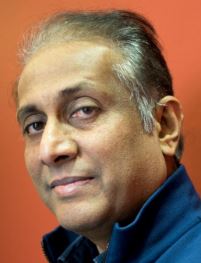
Speaker Dr. Nandana Rajatheva, University of Oulu, Finland
Title PHY Layer Enhancements and Resource Allocation in mmWave and sub-THz
Abstract :
Based on the channel properties in mmWave and sub-THz, various physical layer enhancements are considered. Novel modulation and coding methods, sensing based on LiDAR to predict blockages and incorporation of RADAR sensing into communication system are among those. LiDAR / RADAR are considered as infrastructure based as opposed to vehicle mounted providing the base station – network with accurate position details enabling location based beamforming and facilitating beam management. Reconfigurable intelligent surfaces (RIS) can add to the more deterministic nature of the channel with suitable placement and how these are used effectively is an interesting avenue for research. In terms of resource allocation, instead of complex optimization implementations, we can consider machine learning based solutions in cell free massive MIMO systems. The challenge is to reduce complexity and facilitate a stable rate through suitable power control methods.