The Distance That Costs: Transportation and Urban Housing Affordability

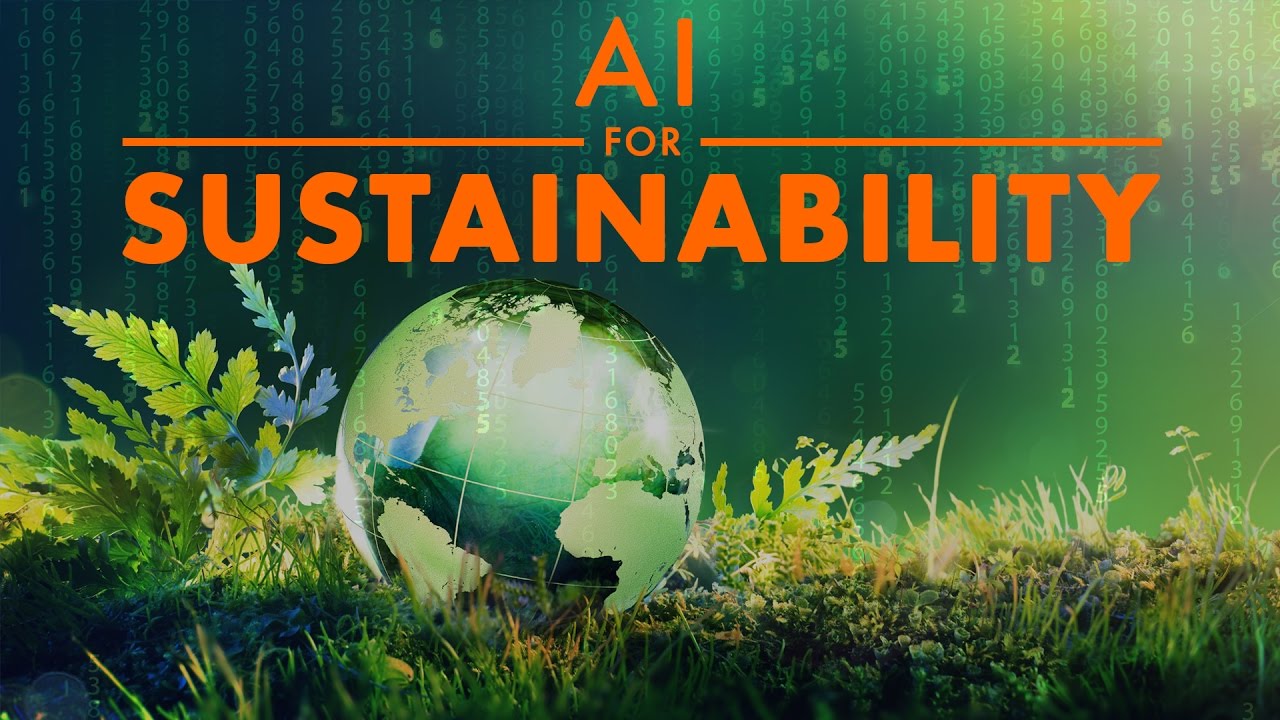
Introduction: Artificial Intelligence isn’t just a tech buzzword anymore. It’s changing the way we live, work, and tackling some of the toughest problems out there. Sure, AI can do some impressive stuff, but what really matters is how it pushes sustainable development forward—making sure economic growth, social progress, and environmental protection work together instead of pulling in different directions. When we use AI wisely, it helps us fight climate change, cut down on poverty, and, honestly, build a fairer and more resilient world. Real magic happens in environmental sustainability. With machine learning, we can sift through massive piles of data to spot deforestation before it gets out of hand, keep an eye on wildlife populations, or manage natural resources without wasting them. Think about AI systems predicting when people will use the most electricity and helping power grids run on more renewables. Less waste, fewer emissions. These tools give us a bird’s-eye view of what’s happening in nature so governments and organizations can protect the planet—not just talk about it. But AI’s not just about saving trees. It’s driving change in the economy and society, too. Take farming, for example. Smart systems look at soil health, weather patterns, and the best times to plant. Farmers get better harvests using less water and fertilizer. In healthcare, AI speeds up diagnoses, helps manage diseases, and brings good care to people who have never had access before. All this lines up with the United Nations’ Sustainable Development Goals, making real improvements in people’s lives, not just ticking boxes. That said, we can’t just charge ahead and hope for the best. If we ignore ethics, AI could make things worse—think data privacy headaches, biased decisions, or leaving some groups even further behind. We need to keep things fair, with clear rules and open algorithms. Everyone deserves a seat at the table, and that takes good governance, solid education, and countries working together.
Conclusion: AI gives us a chance to speed up sustainable development, but only if we use it with care, ethics, and a sense of common purpose. When we match innovation with compassion and real responsibility, AI can help us build a world that’s smarter, greener, and more just—a world where technology serves people, not the other way around.
***********************
What next?
Skills Required to be a good Architecture and planner
· Design & Creativity
· Technical Knowledge
· Planning & Analytical Skills
· Communication Skills
· Attention to Detail
· Project Management
· Adaptability & Learning
Career opportunities for an Architecture Planner
· Architect
· Urban Planner
· Town Planner
· Interior Designer
· Landscape Architect
· Project Manager (Construction)
· Real Estate & Property Consultant
· Government Sector Jobs
Relevant Courses in Architecture & Planning
· Doctor of Philosophy (Planning)
· Doctor of Philosophy (Planning Part Time)
**************************
Copyright © 2026 amity university | All rights reserved.