Healthy vs Junk Food

Authored By:
Dr. Vinod Chauhan
Assistant Professor (ASH)
Amity University Haryana
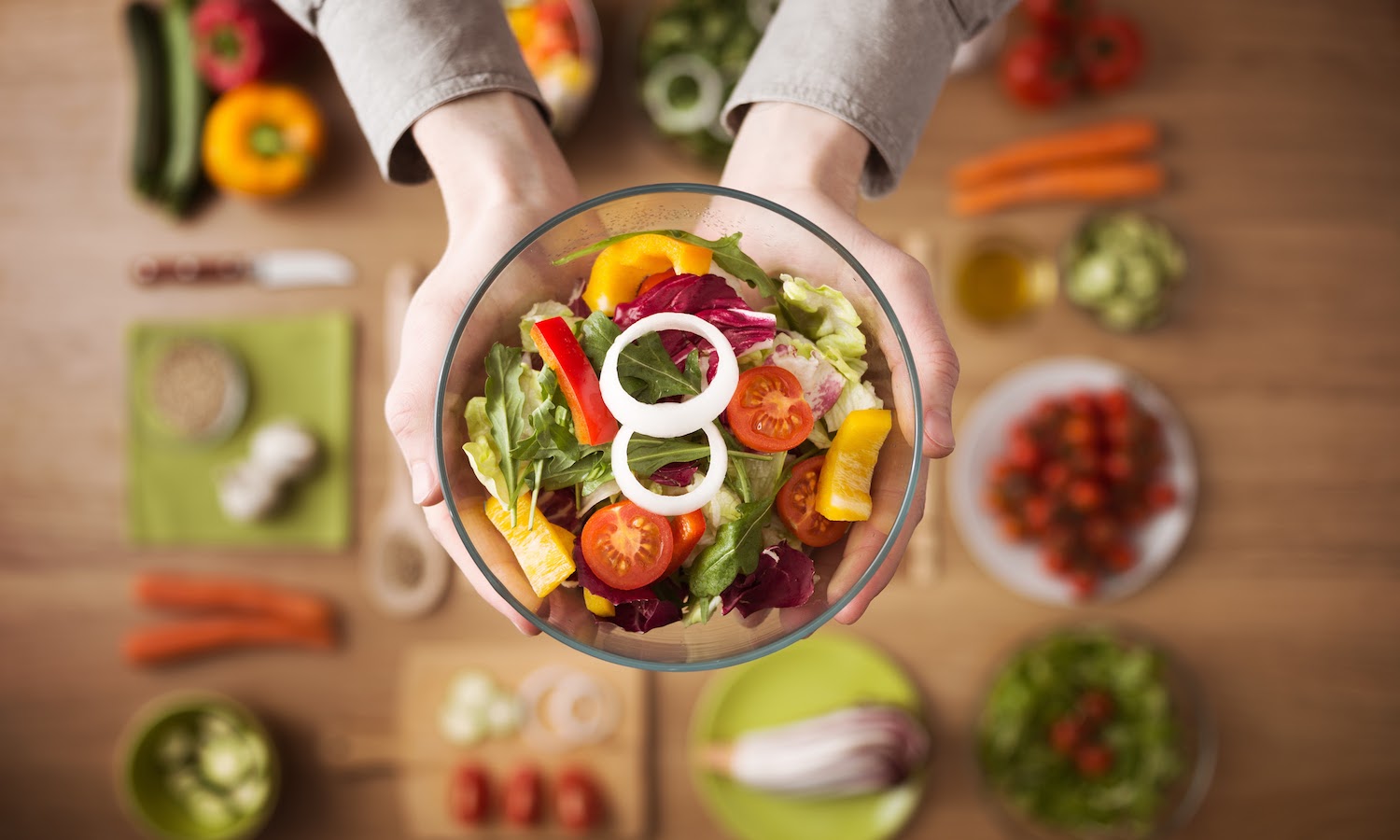
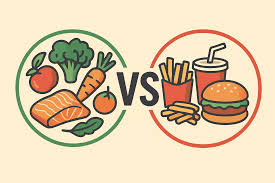
Introduction: Food is an extremely significant aspect in keeping the body, mind, and life quality healthy. Modern and busy world today has been altered in many ways with regards to the food habits of people particularly students and young adults. The junk food has become a big hit with its flavor, ready to eat nature, good packaging and heavy advertisement. Healthy food, on the other hand, even though it may not be very palatable to the eye, is a source of nutrients that are necessary to ensure the body is smooth in operation. Comparison of junk food with healthy food has demonstrated clearly that there are significant differences in the nutritional value of the food, effects on health and effect on the various age groups. Junk food is described as food products that contain high amount of calories, sugar, salt and unhealthy fats with low content of essential nutrients like vitamins, minerals, fiber, and proteins. The typical examples would be burgers, pizzas, fried snacks, chips, chocolates, pastries, instant noodles and soft drinks. Healthy food incorporates natural and minimally processed foods like fruits, vegetables, whole grains, pulses, nuts, seeds, milk, eggs and lean meat which contain balanced nutrition and contribute to overall growth and immunity. Although junk food provides satisfaction and energy in a very short time, as it is full of sugar and fats, it is not prolonged and is usually accompanied by fatigue and exhaustion. Healthy food on the other hand is a source of sustained energy, enhanced digestion, built immune system and disease prevention. Regular junk food intake exposes one to obesity risks, diabetes, heart diseases, blood pressure, digestive and mental health problems, whereas healthy food encourages normal development, mental clarity, emotional stability and long-term fitness. The junk food is convenient and delicious, but it does not comprise the nutritional balance that the human body needs daily. Thus, by substituting junk food with healthy food, it is a good method to stay healthy and not lose its taste completely. To provide a possible example, rather than consuming deep-fried French fries, one may have baked sweet potatoes or roasted vegetables, which are high in fiber and vitamins. Rather than burgers that are prepared using refined flour and processed meat, one can eat whole wheat vegetable sandwiches or homemade veggie burgers. Rather than pizzas with loads of cheese and fine flour bases, one may construct homemade vegetable pizzas with whole wheat bases and minimal cheese. The soft drinks and packaged juices which have too much sugar and artificial chemicals can be substituted by fresh fruit juices, coconut water, lemonade or plain water. Candies such as donuts and pastries may be substituted by fruits, nuts, yogurt, or homemade snacks made using less sugar and wholesome ingredients. These nutritious substitutes are not only filling as they satisfy the cravings, but also, they contain vital nutrients needed to ensure that the body operates well. The impact of junk food and healthy food differs widely with the ages, and it is relevant to take the habit of eating healthy at a tender age. Consumption of junk foods among children between 5 and 12 years can result in lower physical growth low immunity, obesity, dental diseases and concentrations in learning. Healthy eating by children, fruits, vegetables, milk, and whole grains contribute to improved physical growth, healthier bones, improved memory, and achievement in school. Adolescents, even those in Class 12 are in a sensitive period of physical, emotional and mental growth. In adolescence, the consumption of junk food often leads to acne, weight gain, hormonal imbalance, lack of energy, mood swings, and low concentration in studies. It can also cause the enhancement of the unhealthy eating habits that may persist into adulthood. On the contrary, a healthy diet made of healthy food can keep teenagers within a healthy body weight, improves concentration, brings emotional stability, increases confidence, and general performance, both in academics and in sports. The working pressure and lifestyle pressures put adults aged 20 and 50 years in a lot of stress. Frequent intake of junk food among the people of this age may lead to obesity, diabetes, heart disease, high cholesterol and digestive disorders. Healthy food can ensure that adults are energised, able to cope with stress, have higher productivity, and less prone to chronic infections. In older individuals (more than 50 years), junk food may aggravate digestion, impair immunity, aggravate the pain of the joints, and expose them to severe cases of health complication. Fibers, calcium and other essential nutrients in healthy food will improve digestion, build bone strength, boost immunity, and increase the general quality of life during old age. In summary, even though junk food is attractive and convenient, it cannot be overlooked because of its detrimental health effects particularly when it is taken in large quantities. Even though healthy food presupposes more efforts in cooking, it has long-term effects and safeguards the body against numerous diseases. With healthier options and proper diet, the students and the age group can live a healthier, more active and productive life. Healthy eating habits are the surest things in this present age as it represents the future that is disease-free.
Copyright © 2026 amity university | All rights reserved.