AI Technology & Future Skills

By Dr Akshay Mudgal, Amity of Computer Science and Engineering, Amity University Gurugram
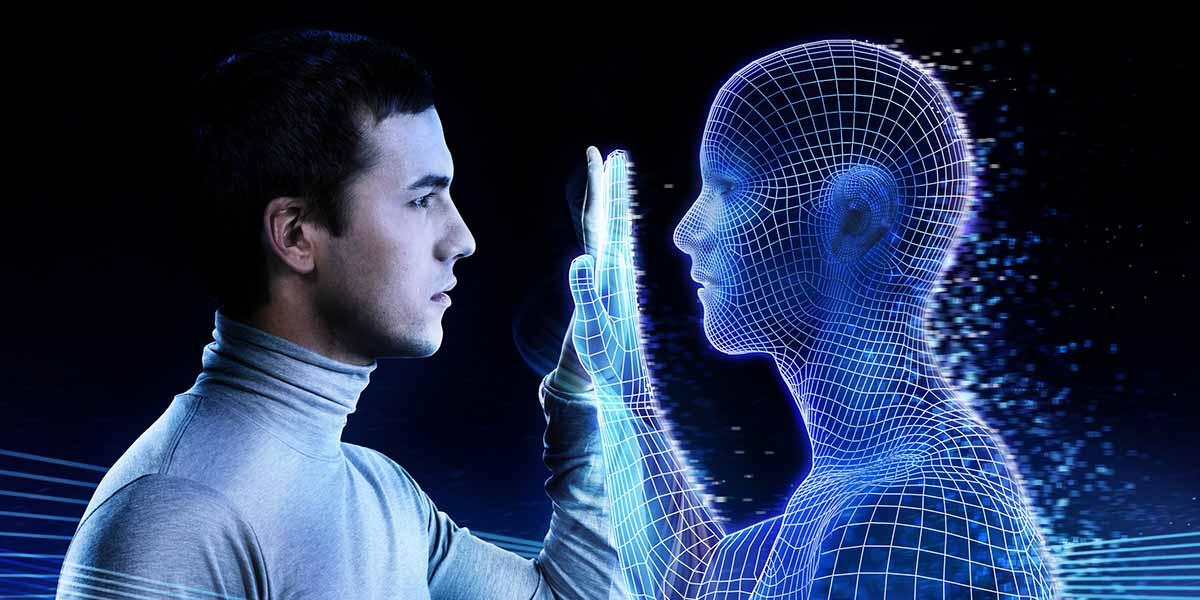
Introduction: The rapid integration of digital technologies into the physical world has given rise to two powerful and closely related concepts: Cyber-Physical Systems (CPS) and Digital Twins. Together, they represent a major shift in how complex systems are designed, monitored, and improved. For students and educators, understanding these technologies is essential, as they are becoming foundational across engineering, healthcare, smart infrastructure, and research-driven industries. Cyber-Physical Systems refer to systems in which physical components such as machines, sensors, and infrastructure are tightly integrated with software, computation, and communication technologies. These systems continuously collect data from the physical environment, analyze it using computational models, and respond through automated or semi-automated actions. What makes CPS unique is the presence of feedback loops that allow systems to adapt in real time. Examples of CPS are already present in everyday life, from smart home devices and automated manufacturing lines to autonomous vehicles and medical monitoring equipment. While Cyber-Physical Systems enable interaction between the physical and digital domains, Digital Twins take this interaction a step further. A Digital Twin is a dynamic virtual representation of a physical object, process, or system. Unlike traditional simulations, which are often based on fixed assumptions, digital twins are continuously updated using real-time data from their physical counterparts. This allows them to reflect the current state of a system and evolve alongside it. As a result, digital twins can be used to test scenarios, predict future behaviour, and identify potential problems before they occur in the real world.
The relationship between Cyber-Physical Systems and Digital Twins is best understood as complementary. CPS provides the sensing, connectivity, and control mechanisms, while the digital twin acts as an analytical and decision-support layer. Data collected by sensors in a CPS feeds into the digital twin, where it is processed and visualized. The insights generated by the digital twin can then be used to adjust the physical system, completing a continuous loop of learning and improvement. This integration enables smarter systems that can optimize themselves over time. One of the most significant benefits of combining CPS and Digital Twins is improved decision-making. Engineers and system operators no longer have to rely solely on historical data or theoretical models. Instead, they can base decisions on real-time insights and predictive analysis. This approach also reduces risk, as changes can be tested on a digital twin before being implemented physically. In addition, organizations can achieve cost savings by identifying inefficiencies early, improving maintenance planning, and extending the lifespan of physical assets. In the manufacturing sector, the use of Cyber-Physical Systems and Digital Twins is a key driver of Industry 4.0. Modern factories use sensors to monitor machine performance, production rates, and environmental conditions. This data feeds into digital twins of machines or entire production lines, allowing engineers to detect early signs of failure, simulate process improvements, and minimize downtime. Such systems enable factories to move from reactive maintenance to predictive and preventive strategies.
Smart cities provide another compelling application area. Urban environments are complex systems involving transportation, energy, water, and public services. Cyber-Physical Systems embedded throughout a city collect data on traffic flow, air quality, energy usage, and infrastructure health. Digital twins of cities use this data to simulate urban growth, manage congestion, optimize resource usage, and prepare for emergencies. For city planners and policymakers, these tools support evidence-based decisions that improve quality of life and sustainability. In healthcare, the integration of CPS and Digital Twins is opening new possibilities for patient care and hospital management. Wearable devices and medical sensors form cyber-physical systems that continuously monitor vital signs. The data can be used to create digital twins of medical devices, clinical processes, or even individual patients. These models help clinicians understand disease progression, evaluate treatment options, and personalize care while reducing risk. From an educational perspective, Digital Twins and Cyber-Physical Systems offer significant value. Students can interact with realistic system models without the cost or danger associated with physical experimentation. Digital labs, virtual factories, and simulated infrastructure systems allow learners to explore “what-if” scenarios and develop a deeper understanding of system behavior. For faculty, these technologies support interdisciplinary teaching and research, bridging mechanical engineering, computer science, data analytics, and control systems. Several enabling technologies support the development of CPS and Digital Twins. The Internet of Things (IoT) provides connectivity between physical devices, while cloud and edge computing enable large-scale data processing. Artificial intelligence and machine learning help analyze complex data patterns and make predictions. Simulation and modeling tools create accurate virtual representations, and cybersecurity mechanisms protect both digital and physical assets from threats. Together, these technologies form the backbone of intelligent, connected systems.
Despite their advantages, these systems also face challenges. Creating accurate digital twins requires high-quality data and detailed system models. The complexity of large-scale systems can make development and maintenance difficult. Initial implementation costs can be high, and cybersecurity remains a critical concern, as attacks on digital components can have real-world physical consequences. Addressing these challenges is an active area of research and innovation, particularly within academic institutions. For students preparing to work in this field, certain skills are especially valuable. These include systems thinking, programming, data analysis, and a basic understanding of control systems and automation. Familiarity with simulation tools, IoT platforms, and AI techniques further enhances employability. Most importantly, the ability to work across disciplines is essential, as Digital Twins and CPS do not belong to a single domain.
In conclusion, Digital Twins and Cyber-Physical Systems are transforming how we design, monitor, and optimize real-world systems. By tightly integrating physical assets with digital intelligence, they enable safer, smarter, and more efficient operations across industries. For students and educators, engaging with these technologies offers an opportunity not only to understand modern systems but also to shape the future of intelligent engineering and innovation.
******
Copyright © 2026 amity university | All rights reserved.