Mental Health & Academic Pressure: Creating Emotionally Safe, Student-Centric Institutions.

By Dr Supriya, Assistant Professor, Amity Institute of Behavioural Allied Sciences, Amity University Gurugram
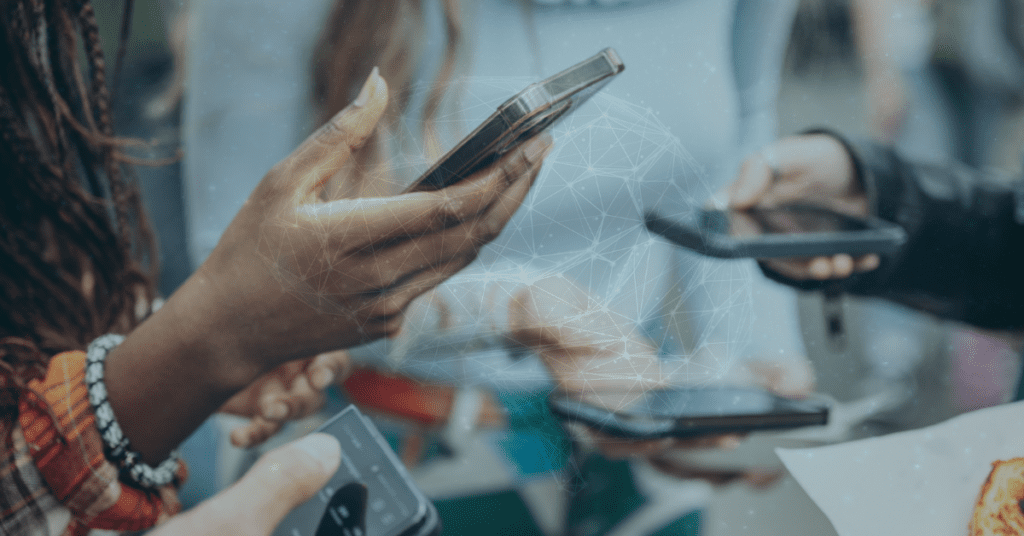
Introduction: Social media has gone from being a new thing to a must-have in less than 20 years. Checking messages, scrolling through updates, and sharing moments used to seem like optional things to do, but now they are a part of everyday life. Many people look at a glowing screen first thing in the morning and then scroll through it one last time before bed. This change has happened not only in technology but also in the minds of people.
Psychology provides a significant perspective for comprehending this phenomenon. Psychology goes beyond seeing social media use as a bad habit or moral failing. It asks deeper questions, like "Why is it so interesting?" What needs does it meet? And when does use start to look like dependence?
To understand digital addiction, we need to stop blaming and start looking at how it affects our attention, emotions, and social brain.
The Digital World and the Social Brain
People are naturally social beings. Long before smartphones and social media, people needed to belong, be recognised, and get feedback from others to stay alive. The brain adapted to react vigorously to cues of affirmation, belonging, and prestige. Social media doesn't make these needs; it makes them stronger and keeps them going.
Every notification, like, comment, or view is a small social signal. These signals trigger reward pathways in the brain that are linked to pleasure and anticipation. The rewards are important because they happen at random times and with random levels of intensity. This unpredictability keeps the brain busy, making people check in over and over again, just like variable rewards keep people gambling.
What makes social media so powerful is that it gives people social proof and is always available. Digital platforms are always "open," which means that the mind has to stay alert all the time. This is different from real-life interactions, which have natural breaks and limits.
Attention as the New Money
One of the most important changes in the way people think in the digital age is that attention has become a commodity. Social media sites aren't neutral; they're made to keep users interested for as long as possible. This design subtly changes how attention is focused and kept.
From a psychological standpoint, extended exposure to fast-paced, emotionally intense content conditions the brain for rapid scanning instead of profound concentration. Over time, this can make it hard to stay focused on things like reading, studying, and thinking about things.
This doesn't mean that social media "damages" attention for good. Instead, it suggests that attention changes based on what it is asked to do over and over again. When the mind gets used to new things all the time, being still can start to feel strange.
The False Sense of Connection
Social media promises to connect people, but many users say they feel lonely, inadequate, or emotionally drained after using it for a long time. This paradox is the main idea behind digital psychology.
Likes, shares, and followers are some of the ways that online interactions are measured, turning social experiences into numbers. These numbers can give you a quick sense of comfort, but they can also make you compare yourself to others and judge yourself. The brain starts to link visibility with value and engagement with approval.
This changes the focus from real connection to performance in the mind. People might stop asking, "How do I feel?" and start asking, "How am I being seen?" This external focus can weaken your emotional grounding over time.
When Use Turns into Compulsion
Not all heavy use is an addiction. Psychology makes a difference between doing something a lot and being addicted to it. Digital addiction happens when people feel like they can't stop using their devices, keep using them even when they know it's bad for them, and get upset when they can't use them.
Some common psychological signs are feeling restless when you don't have your phone, having trouble dealing with boredom, relying on scrolling to change your mood, and ignoring your responsibilities or relationships in the real world.
Digital addiction frequently fulfils a psychological role. It might help you get away from stress, anxiety, loneliness, or self-doubt for a short time. In this way, the screen acts as a way to deal with problems - helpful in the short term but bad in the long run.
Knowing how this function works helps change the story from one of judgment to one of compassion. People are not addicted to screens because they are weak; they are often looking for a way to feel better, get comfort, or get away from emotional stress that isn't going away.
Teenagers and Young Adults: A Delicate Time
Because their identities are still forming, young people are especially vulnerable to the psychological effects of social media. During adolescence and early adulthood, people are more sensitive to how their peers see them and how they fit in. These sensitivities are always on in digital spaces.
Comparing yourself to others online, getting feedback from people online, and seeing carefully chosen versions of other people's lives can all change how you see yourself. The mind that is still growing may have trouble telling the difference between realistic standards and digitally enhanced ideals.
Social media can also be a place to express yourself, learn, and connect with others, especially for people who feel like they don't fit in offline. The psychological effect is not the same for everyone; it depends on how, why, and how much someone gets involved.
For a better digital life
The aim of psychological insight is not to dismiss technology, but to reinstate agency. Being aware of how you use screens, how they affect your mood, and how they affect your emotions is the first step to digital well-being.
Simple reflective activities, like taking breaks from screens on purpose, using screens mindfully, and getting back into activities that don't involve screens, can change how the mind interacts with technology. Also important is finding other ways to be rewarded, like having meaningful conversations, moving your body, being creative, and having quiet time to think.
Schools and businesses can teach digital literacy at the institutional level that includes more than just technical skills. When people learn how platforms affect behaviour, they can use technology on purpose instead of out of habit.
Not about getting rid of something, but about finding a balance
The psychology of social media and digital addiction is all about finding the right balance. Technology is not good or bad; it is a powerful tool that people use for good or bad reasons.
When used with purpose, digital platforms can help people learn, connect, and be creative. When used without thinking, they can quietly take over your attention, feelings, and sense of self-worth.
The task for modern society is not to avoid the digital world, but to enter it with more mental strength. We honour a timeless truth when we do this: tools should help the mind, not just train it.
************
What next?
Skills Required to be a Good Behavioural and Allied Sciences.
· Observation Skills
· Effective Communication
· Empathy
· Analytical Thinking
· Problem-Solving Skills
· Interpersonal Skills
Career Opportunities in Behavioural and Allied Sciences
· Clinical Psychologist
· Counselor / Therapist
· Human Resource (HR) Professional
· Social Worker
· Rehabilitation Specialist
· Child Development Specialist
Relevant Courses in Clinical Psychology
· B.A. (Applied Psychology) (Honours/Honours with Research)
· B.Sc. Clinical Psychology (Hons.)
· B.Sc. (Clinical Psychology) (Honours/Honours with Research)
· M.A. (Counselling Psychology)
· PG Diploma in Rehabilitation Psychology
· Professional Diploma in Clinical Psychology
*****************
Copyright © 2026 amity university | All rights reserved.