ESG Reporting & Sustainability Accounting


By:
G. K. Arora, Professor Emeritus, Amity College of Commerce, Amity
University Gurugram
Introduction: Risk and Compliance Analytics (RCA) is coming up as an interesting subject and area of research, as well as a career path. Students, depending upon their core interests, can opt for it. Not only is it an upcoming field, but it is truly interdisciplinary as students from a wide range of streams, including Commerce, Finance, Law, Management, Sciences, Medicine, Engineering, Arts and Humanities, Data Analytics, AI, Environment, Pharmacy, Governance, and so on, can go for it.
Like students, even
professionals can utilize their knowledge of both regulatory frameworks,
including laws of the land, audit norms, and ethical practices, as well as
basic mathematics, statistics, and AI to identify risks and enforce required
compliance, thereby becoming strategic and predictive in their decision-making.
With RCA, students will be fully equipped to understand the dynamics of
handling voluminous data, simulations, predictive models, legal, managerial,
and ethical systems, and therefore, can take up a wide variety of jobs and
further specialize in branches of their choice.
Even the Teachers aspiring for innovative methodological frameworks and
interdisciplinary research can benefit themselves and enrich their students by
including the case studies in their study materials and curricula to avoid pure
abstractions. In fact, any person, including students’ parents, who supposedly
makes decisions at some level of any organization, can find RCA useful if their
actions are analyzed in the RCA framework.
RCA comes out of the churning of data, technology, and governance for creating risk-free and regulation-compliant organizations. It is an important analytical tool that heavily relies on data to suggest monitoring systems and supervisory interventions for identifying risks and ensuring regulatory compliance with the underlying objective that organizational risks are reduced to the bare minimum and managed well during operations. Thus, analyzing risks (financial, regulatory, operational, reputational, etc.) and managing their mitigation through actionable steps, along with compliance analytics (AI-driven tools, automation, predictive models, etc.) for tracking statutory requirements and identifying the needed actions, remains at the top of the agenda of all organizations. Thus, RCA is a covering tool as well as a predictive method and guiding instrument, which can help in formulating a business strategy with internal controlling mechanisms that promote sustainable and resilient organizational and business practices.
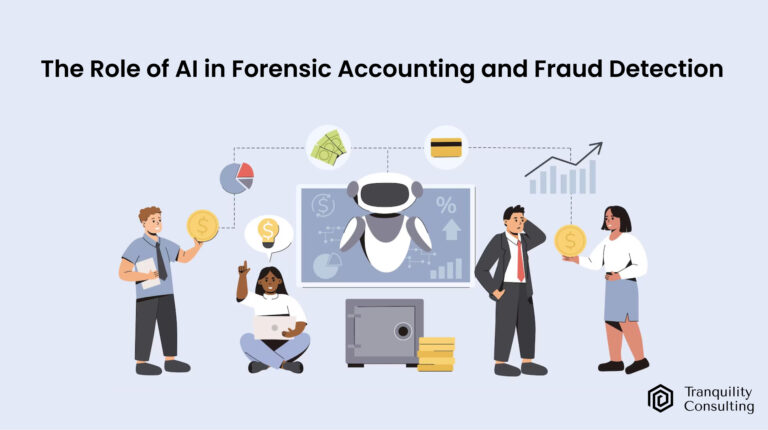
Interestingly, AI has added tremendous transformative power to the RCA through its AI-driven tools, Machine Learning, and Gen AI. Its power of handling massive data at super speed, minute precision (in resource allocation and optimization), achievable through robotic and drone technologies, predictive capacity, and regulatory potential for tracking regulatory clauses and suspicious transactions, and automating big tasks, can turn out to be revolutionary for RCA. This is particularly true in the case of regular monitoring of financial flow of transactions and services, following cyber frauds, quantifying economic disruptions and uncertainties, particularly due to the rise of geopolitical and cross-border vulnerabilities, and the lack of international collaborations.
But, it
seems, RCA still has a long way to go, as seen in the perspectives of
challenges coming out of biases in the internationally managed harmonization,
dynamically changing risk-environment (emerging out of quantifying the
cyber-fueled risks), the growing levels of regulatory complexity, deep
learning, unethical and unregulated agentive AI moves, lack of staff training,
interdisciplinarity, and RCA’s integration with the ongoing education and
training. However, it is essential to note that risk and compliance can
be mutually beneficial, as compliance-driven risk mitigation and automated
regulatory systems can enhance efficiency through cost reductions, while also
strengthening transparency, social capital, and governance tools within the organisation.
However, the role of the human factor for ensuring data privacy and maintaining
its quality, ethical standards, governance, and dedication in implementation
will continue to be crucial at all stages.
Copyright © 2026 amity university | All rights reserved.